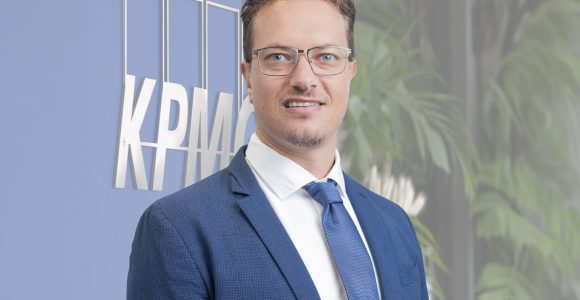
‘Modernisation for growth’: BSP CEO shares plans to enhance customer experience
In this exclusive interview with Business Advantage PNG, CEO Mark Robinson reflects on BSP Financial Group’s impressive results. He also provides details of growth plans, including investments in digital channels and a major upgrade of the bank’s ATM network.

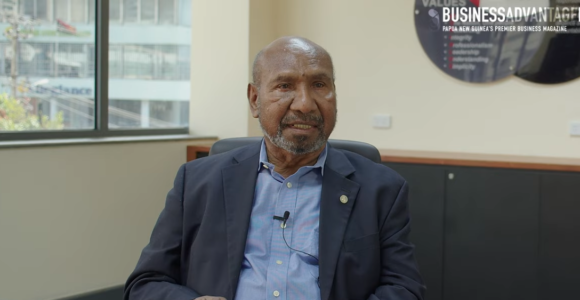
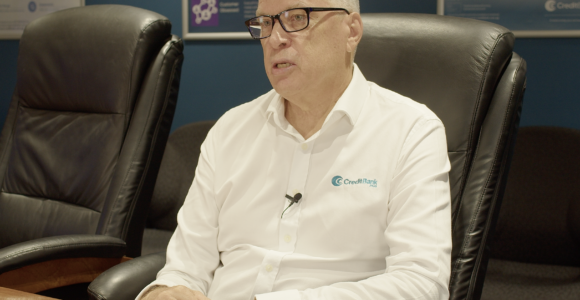
Mark Robinson, CEO of BSP Financial Group. Credit: BAI
Q
How was business for BSP in 2025?
A
The year went well for BSP across all seven of our operating countries. In PNG, revenue was up 15 per cent, interest income was up about 13 per cent, fee income was up 12 per cent, and foreign exchange turnover was up about 24 per cent in the first nine months of the year.
In some countries, we are benefiting as the formal sector increases in size, and we use innovation to expand financial inclusion. Digital channel volumes are growing at over 20 per cent per annum. A large part of that is driven here in PNG. Branch volumes are still high but, depending on the market, they’re either flat or trending down.
We delivered these financial results while continuing to invest through our “modernisation-for-growth” strategy. Recent examples include beginning the replacement of our entire ATM fleet, remodelling branches, and a number of other investments that we think will make a direct impact on the customer experience. We bring tried and tested skills to the cash economy.
One real modernising factor in the banking space is the rise in technology investments, by the likes of ourselves and the Bank of Papua New Guinea. Considerations around the introduction of biometrics and e-identification are making it easier for customers to open accounts. I think that’s extremely positive for improving access to banking.
“My key concern is that these [major resources] projects must not weaken policymakers’ resolve to make other vital reforms.”
Q
What is your forecast for the next year and beyond?
A
The country is very lucky that the financial sector is actually quite healthy. There are new competitors in the domestic bank market, and we welcome competition. We have some very healthy superannuation funds as well. These financial institutions need to continue to expand the role that they play in the economy which will bring wider benefits to the community.
We see little domestic risk over the next 12 months. While major resource projects boost confidence, their initial spending occurs overseas, limiting direct inflationary pressure. The real impact of these projects is improved business confidence and a healthier outlook for the currency and PNG’s economy. It means more confidence to make investments in PNG.
Our key concern is that these projects must not weaken policymakers’ resolve to make other vital reforms: achieving a market-clearing kina exchange rate, implementing FATF [Financial Action Task Force] recommendations to improve investor confidence, and investing in critical infrastructure like power, transport, and public services. These contribute to not just a healthier economy, but a healthier society.
Q
What do you feel are the major opportunities from opening up digital channels?
A
In PNG, it’s hard not to focus on the efficiency element. It’s not a secret that we still have queues at our branches. That’s a pretty visible measure of inefficiency. The more transactions that we can get on digital channels and away from cash, such as 24-hour deposit-taking ATMs, the more productivity potential there is and the more upside for our customers.
Internet banking, for us, is growing at over 50 per cent per annum. Next year, we’ll introduce some very new customer-facing functionality that’ll have quite meaningful benefits for large and medium-sized corporates.
We also introduced the Wantok Wallet, targeted at the underbanked, in February 2025. We’ve just passed over 100,000 users. For many of the folks who signed up, this has the potential to replace a traditional bank account.
For us, it frees up capacity for our people to spend more time with customers, adding real value. I think it’s also meaningful at a personal level that we’re giving our customers time back for their lives.
Q
How is BSP performing throughout the rest its Pacific network?
A
We’re the largest bank in every country which we operate, except for Vanuatu, where I think we’re about number three based on the size of our balance sheet. We take our size with a great sense of humility and responsibility. We know our scale enables us to have a genuine impact on improving the efficiency of the financial system and national prosperity.
We’re a PNG-based bank, and we play an important role in providing financial services to fellow citizens of the Pacific across both retail and corporate banking.
Our second biggest market is Fiji, where we’ll celebrate 150 years of operations next year. It’s also the second biggest economy in which we operate and accounts for approximately 20 per cent of BSP’s top and bottom line. Fiji has had a good year and obviously benefits immensely from the trade flows through the country. Tourism is a very big part of the economy, but it’s quite a diversified economy with a strong export market and a major airline.
Our third-biggest [market] is Samoa, which is having a great year as well. After that, we have Solomon Islands, Vanuatu, Tonga, and the Cook Islands. All have had good years, all are profitable, and all are playing a very important role in their respective markets.
Q
Given the success of BSP Life in Fiji, is there any chance of implementing a similar model in PNG?
A
We have had a life insurance company here in PNG for just over seven years, and we just launched Wantok Sumatin, a life insurance policy-and-savings product that enables families to accumulate money to pay school fees.
We’re taking inspiration from Fiji and, over the long term, absolutely envision playing a similar economic role, but they have 149 years of history supporting them. These things are a slow burn, but we are making progress.
We know that in this country, you’ve got a very strong wantok culture where there’s a certain amount of family self-insurance that takes place. But even with that, our life insurance business is doing quite well.