Inside Steamships’ property investment ‘master plan’
Steamships continues to invest heavily in the Portside Business Park development, while also eyeing opportunities in other areas of Papua New Guinea such as Mount Hagen and Lae, as the head of its property division, Alan Heyns, tells Business Advantage PNG.
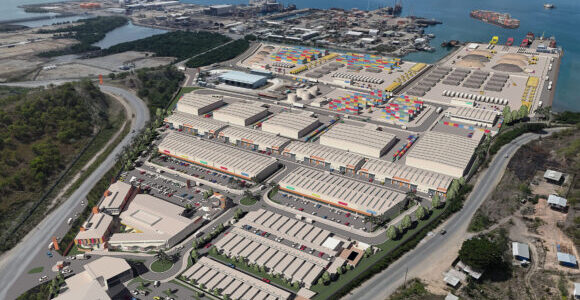
Artist’s render of the Portside Business Park. Credit: Pacific Palms Property
The head of Steamships Trading Company’s property division says the company is “bullish” about the investment opportunities in PNG in 2026 and beyond.
Steamships funds Pacific Palms Property to the tune of about K200 million per year on average, enabling it to invest in multiple projects at a time.
“We’re not looking at just meeting the needs of big resource players. We’re looking at creating a complete economic ecosystem.”
“We have a significant pipeline of work coming up with multiple developments of different sizes,” says Alan Heyns, CEO of Steamships Property Division.
Portside ready to kick off
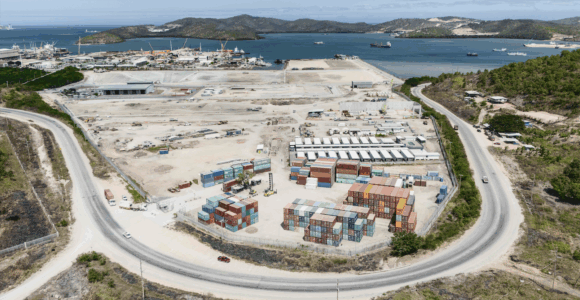
The Portside Business Park development, located in Motukea in the National Capital District, is the largest current investment, with more than K100 million spent to date on infrastructure, including water, power and security systems.
It was a busy end to last year, with construction of the first four warehouses completed and a tender signed for a wharf with barge access.
However, “2026 is the year Portside will really kick off,” according to Heyns.
The next stage is retail development, which was set to go to tender as this publication went to print. Twenty luxury camp accommodation units are also being planned.
According to Heyns, Portside’s “master plan” is projected to take up to 10 years to fully develop.
“It’s a strong and resilient business model, and we’re confident it will perform exceptionally well. Our focus is firmly on long-term value creation rather than short-term gains,” he says.
A major consideration is “what local businesses will need.”
Current clients of Portside include fellow Steamships’ subsidiary Pacific Towing, as well as other companies servicing PNG’s resources sector.
“We’re not looking at just meeting the needs of big resource players. We’re looking at creating a complete economic ecosystem,” Heyns says.
“Portside Business Park sets up second- and third-tier contractor support companies to service resource projects.”
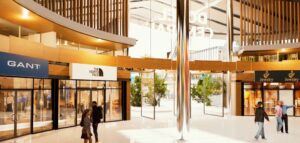
Artist’s render of Dobel Central. Credit: Pacific Palms Property
Growth in the Highlands
Another major project for Pacific Palms (and joint venture partner Tininga) is Dobel Central in Mount Hagen, the first large shopping complex in the Highlands Region.
The Western Highlands capital was chosen in part for its strong non-resources cash economy and urban sprawl, which make it prime real estate for retail developments.
Retail spending in the country overall has been up, and Heyns says Pacific Palms will continue to invest in the sector.
“We have been a little Port Moresby-centric in the last five years, and now we’re opening up to other centres, starting with Mount Hagen and Lae,” he says.
The company is also reviewing a number of projects to greenlight in Lae, including new industrial, retail, residential and smaller hotel opportunities in the area.
Future-proofing
Looking to the future, Heyns says the property market is anticipating largescale investments once a potential final investment decision is made on Papua LNG.
“Even waiting for these resources projects, the economy has been very buoyant. There’s cash in people’s hands, which triggers fast-moving consumer goods,” he adds.
He does flag the prospect of shortages in residential properties, where Pacific Palms is hoping to continue making investments.
“Property development is long-term planning. You can’t just click your fingers and get a good result.”
This piece was first published in the 2026 edition of the Business Advantage PNG Annual. You can read the full issue here.