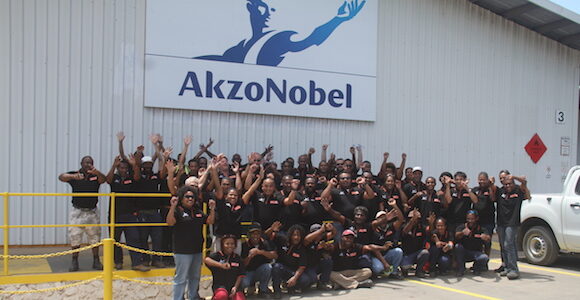
Difficult economic conditions can be a time for committed companies to expand market share and establish themselves for the long term. Mikael Ruben, Managing Director of paint manufacturer AkzoNobel tells Business Advantage PNG his company sees the need to remain aggressive in Papua New Guinea.
For the last 18 months, leading Lae manufacturer K K Kingston has been consolidating and restructuring. CEO Michael Kingston talks to Business Advantage PNG about the company’s strategy, his optimism for the future, and the issues facing businesses in Papua New Guinea.
An analysis of foreign workers coming to Papua New Guinea since 2000 indicates a chronic lack of skilled tradespeople, according to Lae-based business leaders. While skills training initiatives are under way, an expected surge in mining projects over the next few years highlights the urgency for more skilled workers.
With the Papua New Guinea Government highlighting the need for more affordable housing in the country, not-for-profit organisation, Community Housing, believes it has the solution.
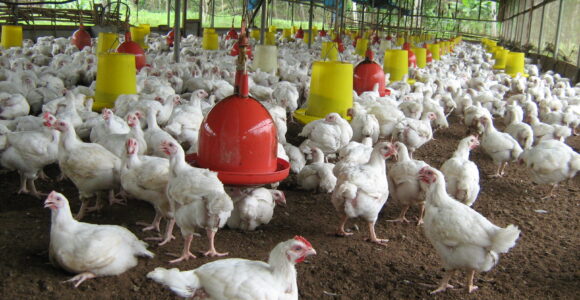
The Manufacturers’ Council has described the ban on some uncooked poultry products from Australia as ‘premature’, and called for the ban to be lifted.
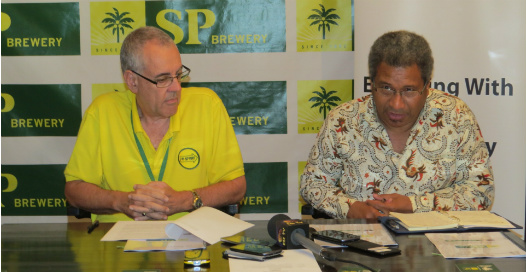
To expand its local sourcing footprint SP Brewery has launched a new project with the Papua New Guinea Government to develop cassava farms that will provide ingredients for beer manufacturing.
Papua New Guinea’s potential as a market for ice cream will be put to the test when Laga Industries completes a significant expansion of its Gala manufacturing facilities in Lae later this year.
Elk-Antelope arbitration hearing in London completed, fuel supplies to return after roadblocks eased, and Santos delivers sales records. Your weekly digest of the latest business news.
Restricting the margins at which the kina can be traded against the US dollar has had little positive effect, with some companies struggling to pay bills, as the central bank reportedly restricts the purchase of US currency, Manufacturers Council of Papua New Guinea CEO Chey Scovell tells Business Advantage PNG.
Coffee is recognised as one of Papua New Guinea’s most important commodities. So it was only a matter of time before locally manufactured ‘Nespresso compatible’ coffee capsules entered the PNG market. Business Advantage PNG talks to Cool Stuf, the company behind PNG’s first locally manufactured coffee capsules.