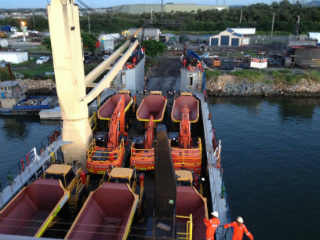
After overcoming several delays, development of Nautilus Minerals’ deep sea copper-gold mining project, Solwara 1, has taken significant steps forward in recent months. Business Advantage PNG talks with Nautilus Chief Executive Officer Michael Johnston about the world-first project.
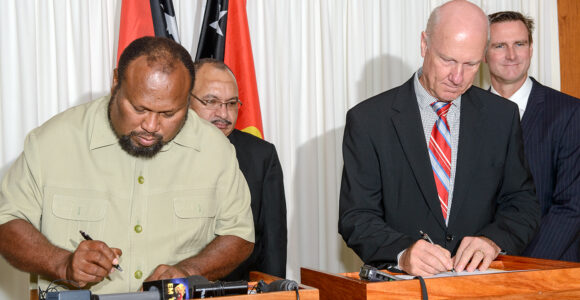
Civil engineering firm Curtain Bros has big plans for Motukea Island, as it prepares to build new dockside facilities alongside the soon-to-be relocated Port Moresby Port. General Manager Justin McGann outlines the Motukea plans, and other new company projects, to Business Advantage PNG.
Growth, both domestically and internationally, is on the cards for Bismark Maritime as the Papua New Guinea shipping sector delivers opportunities for additional players. CEO Jamie Sharp tells Business Advantage PNG of the company’s plans.
Elk-Antelope arbitration hearing in London completed, fuel supplies to return after roadblocks eased, and Santos delivers sales records. Your weekly digest of the latest business news.
With construction and first shipment of gas completed ahead of time, the giant ExxonMobil-led PNG LNG project has proven Papua New Guinea is a viable place to carry out major resources projects. In this exclusive valedictory interview with Business Advantage PNG, outgoing ExxonMobil PNG Managing Director Peter Graham reflects on the lessons learned.
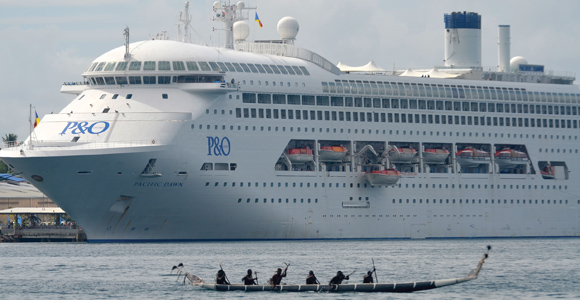
Shipping companies are taking an increasing interest in PNG, with passenger arrivals surging and even big ships now heading to PNG’s shores, Brian Johnston reports.
Exporting all future PNG gas extract for income may not be the best use of this remarkable resource. LNG should also be used for domestic power consumption and petrochemical feedstock to boost industry and provide much-needed jobs, argues Petroleum Operations Advisor to the World Bank, Michael McWalter.
Despite a takeover of its Canadian parent by Spanish energy company, Respol, it’s business as usual for Talisman Energy PNG as it develops the Stanley gas field. Vice President and General Manager Grant Christie explains to Business Advantage PNG what 2015 holds.
As Papua New Guinea enters 2015, changes in the global economy are likely to present major challenges, while local investment in infrastructure continues. Business Advantage PNG looks ahead to consider what 2015 may bring business.
Telecommunications wholesaler PNG DataCo Limited has been set up as part of a restructure of Papua New Guinea’s telecommunications industry. Business Advantage PNG discusses its critical role with its Chairman Reuben Kautu, an entrepreneur with a strong background of commercial and strategic management, developed during roles with BP, ExxonMobil and, more recently, Telikom PNG’s subsidiary Kalang Advertising Limited.