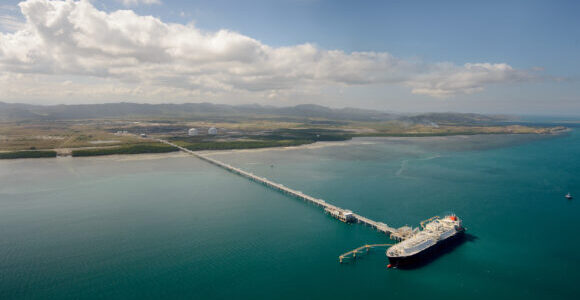
PNG’s recent challenges with fuel supply are leading to the creation of a more robust supply chain, thanks to new investments and partnerships involving state-owned entities, the private sector and even the US government. Business Advantage PNG takes a closer look.
LNG, forex and fuel supply remain in focus, while new listings and privatisation are on the agenda. Business Advantage PNG looks to the year ahead and considers what Papua New Guinea-focused businesses can expect in the coming 12 months.
The past year has been a challenging one for Papua New Guinea’s major businesses but, as we are learning from our own conversations with them, they are nevertheless proving remarkably resilient. Now, all eyes are again focused on the next wave of resources investments.
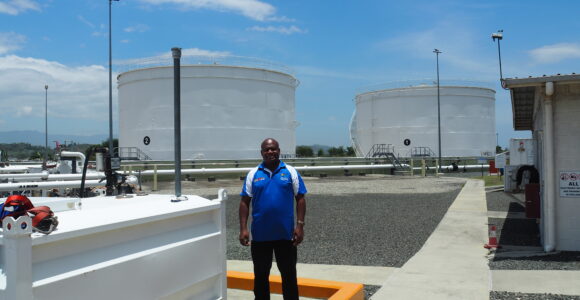
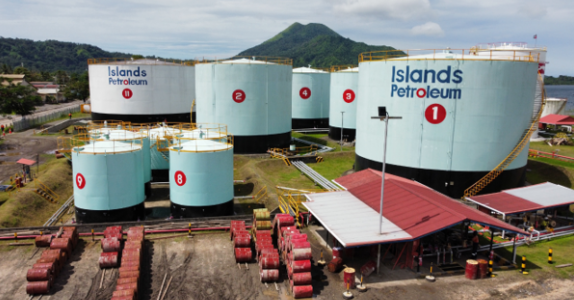
Papua New Guinea has faced ongoing fuel supply challenges since August 2023, as a result of issues related to its largest fuel importer, Puma Energy. Islands Petroleum is one of a number of fuel companies that have ramped up capacity to help meet demand. Chief Executive Nathan Bluett says the company is now looking to grow further.
Day 2 of the 2024 Business Advantage PNG Investment Conference featured top speakers from across government and business, including Papua New Guinea’s Prime Minister James Marape, state-owned enterprises such as Air Niugini and PNG Ports and business chamber presidents.
Day 1 of the 2024 Business Advantage PNG Investment Conference featured top speakers from across the business sector, including Kumul Petroleum Holdings’ Wapu Sonk, Bank of Papua New Guinea Chairman David Toua and the IMF’s Sohrab Rafiq, who spoke of the positive impact of the central bank’s new approach to managing foreign exchange.
As part of extensive in-country research for the newly-released 2024 edition of the Business Advantage PNG annual magazine, our editorial team spoke exclusively to dozens of Papua New Guinea business leaders to understand how they are preparing for imminent growth – and what challenges they face. Here’s what they told us.
Fuel buyers in Papua New Guinea have been warned to expect higher prices as the government negotiates with global suppliers to end shortages in the local market related to the winding back of Puma Energy’s operations in the country. Meanwhile, short-term solutions are being put in place.
With a new strategy to manage Papua New Guinea’s foreign exchange shortages expected soon, the Bank of Papua New Guinea’s Acting Governor, Elizabeth Genia, has moved to reassure business leaders that a devaluation of the country’s currency is not on the cards.
In direct response to the ongoing disruption of fuel supplies in Papua New Guinea, Petroleum Minister Kerenga Kua has declared an extraordinary 30-day State of Emergency.