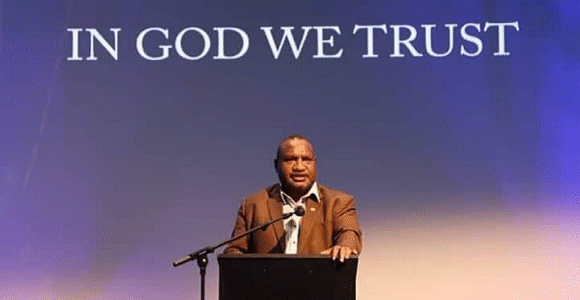
Prime Minister James Marape has introduced changes to Papua New Guinea’s oil and gas law, claiming it will benefit the country’s ‘national interest’. The changes may well represent a major shift in the way projects are developed in the future.

Prime Minister James Marape has introduced changes to Papua New Guinea’s oil and gas law, claiming it will benefit the country’s ‘national interest’. The changes may well represent a major shift in the way projects are developed in the future.
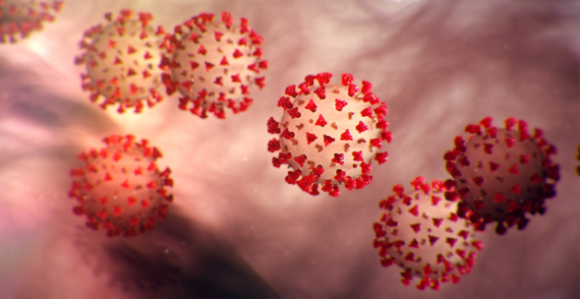
Dodging the debt trap: Papua New Guinea’s government must be cautious with COVID-19 spending
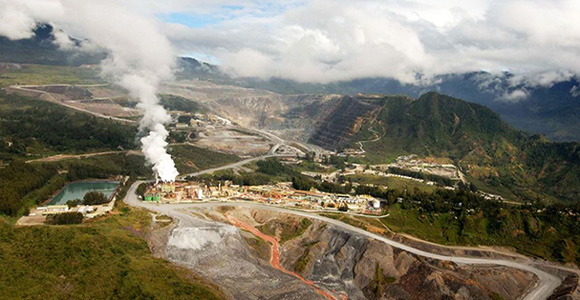
Papua New Guinea’s National Court has granted Barrick Niugini leave for a review of the decision not to extend the Special Mining Lease for the Porgera gold mine. Related disputes have also arisen, and the Prime Minister has flagged ‘minor amendments’ to PNG’s Mining Act.
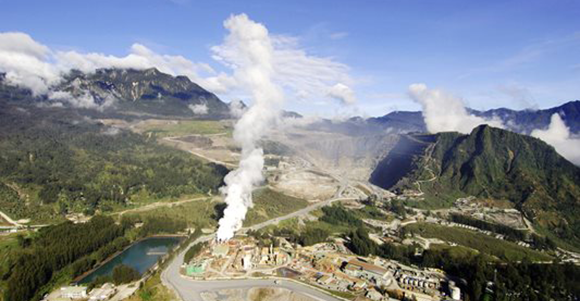
Papua New Guinea’s government is coming under intense pressure to renegotiate the Special Mining Lease for the Porgera gold mine, which it refused to extend in April. Multiple industry bodies have urged the government to urgently negotiate with the mine’s joint venture operators, Barrick Gold and Zijin Mining, pointing to extreme economic stress.

The oil price has been extremely weak but the fall in LNG prices has stabilised and palm oil is up: a monthly review of Papua New Guinea’s commodities and financial markets. Business Advantage PNG’s monthly overview of commodity and financial markets.
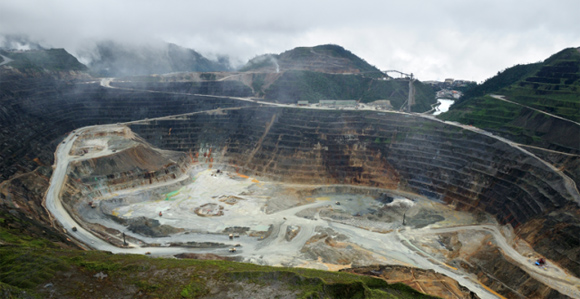
Ok Tedi Mining has announced strong profits and dividends – important because it accounts for over four per cent of Papua New Guinea’s economy. But the future of the company, which has new shareholders, will depend on finding new reserves beyond the Ok Tedi mine’s projected six-year mine life.

Papua New Guinea’s trade is likely to be sharply affected by the COVID-19 crisis and the closure of international borders, according to a report by the National Research Institute. It makes suggestions about how PNG’s traded sector can be supported.

The upper end of the housing market in Papua New Guinea is being adversely affected by the closure of the international borders, according to Tom Snelling, General Manager of property classifieds site Hausples.com. But he expects that there will be more movement in the cheaper areas of the real estate market.

Papua New Guinea’s National Executive Council has announced that K600 million will start to flow to the health, security, agriculture, business and household sectors as a first step in the government’s K5.7 billion coronavirus Economic Stimulus Package. Treasurer Ian Ling-Stuckey said this is K100 million more than was initially planned.
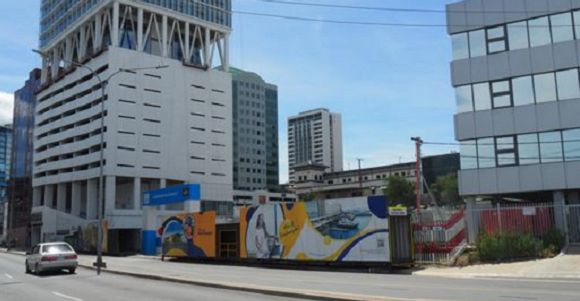
The Bank of Papua New Guinea in its latest Monetary Policy Statement is predicting that the Papua New Guinea economy will not go into recession this year and there will be a strong recovery next year. But it says that the COVID-19 pandemic has badly affected many of the key sectors in the economy.