Papua New Guinea’s government has announced its Budget deficit will balloon to more than K6 billion, the biggest in the nation’s history. Treasurer Ian Ling-Stuckey has announced a well-targeted stimulus, but the International Monetary Fund needs to come to the party.
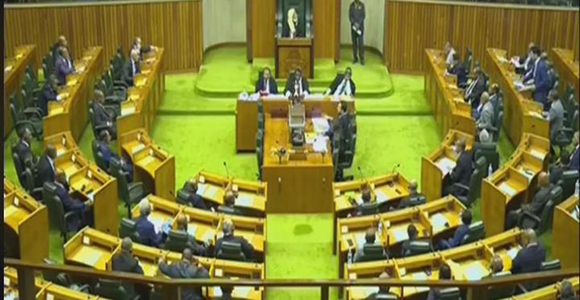
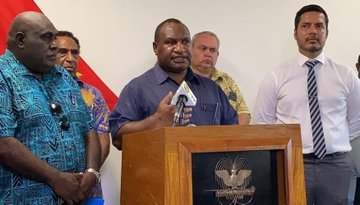
In an emergency session of parliament last week, Prime Minister James Marape extended Papua New Guinea’s state of emergency, and the ramifications will be significant.
The global economic meltdown that has been triggered by the COVID-19 virus outbreak has hit Papua New Guinea hard. What are the implications for the country’s business and financial sectors?
How is the 14-day state of emergency (SOE) affecting Papua New Guinea businesses? That all depends on the business you are in. We do a sector-by-sector breakdown.
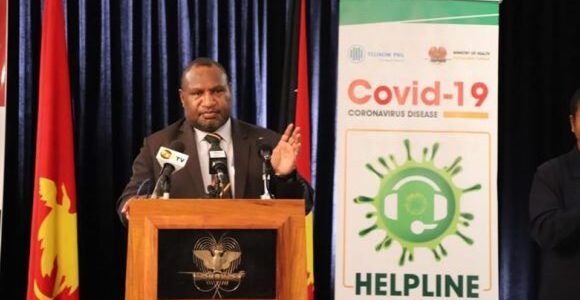
After the coronavirus (COVID-19) arrived in Papua New Guinea this weekend, Prime Minister James Marape acted swiftly to shut the country down for 14 days – but what does that mean in practice?
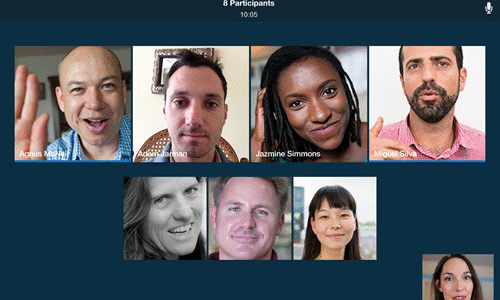
Alternatives to Skype, the vital role for employers in TB and COV-19 health, and keeping remote teams productive. Readings from around the world on business, leadership and coronavirus.
With the first case of COVID-19 in PNG announced at the weekend, there are warnings there could be essential-item shortages and changed working conditions, but business has been preparing for its arrival.
The economic fallout from the coronavirus (COVID-19) is creating havoc across world markets and economies. According to the ratings agency Fitch, Papua New Guinea’s formal economy will be affected, but the story could be different for its informal and local economy.
The rapid spread of the coronavirus COVID-19 has disrupted global economic activity and led to a fall in financial markets. But the story is very different for big companies in Papua New Guinea, although there will be some adverse impacts, especially in the oil and gas sector.
While Australia prepares its domestic interventions, it needs to spare some thought for the Pacific as well, say Alexandre Dayant and Jonathan Pryke from the Lowy Institute’s The Interpreter