
Just when you thought 2020 couldn’t surprise us any more, Papua New Guinea’s politicians delivered a November parliamentary session to remember.

Just when you thought 2020 couldn’t surprise us any more, Papua New Guinea’s politicians delivered a November parliamentary session to remember.

Last week, I sat down with the heads of three of Papua New Guinea’s leading companies – Kina Bank, Steamships Trading Company and Paradise Foods – to discuss leadership during COVID-19, among other topics.

Reform is in the air in Papua New Guinea, with the country’s resources sector facing major legislative changes. On the other hand, the government faces its own reform challenges if it is to secure the funding it needs to address its budget deficit.
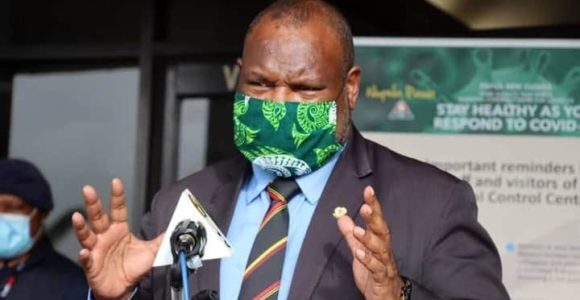
With Papua New Guinea’s government deciding that the country must now to learn to live with COVID-19, one could argue that the first chapter of PNG’s encounter with the global pandemic has come to an end.

Infrastructure has been the subject of heavy discussion in the past month. Unreliable telecommunications and utilities were two of the major impediments identified by our 2020 PNG 100 CEO Survey, and I was able to ask State Enterprises Minister Sasindran Muthuvel about the government’s plans to reform PNG Power, Kumul Telikom and other state-owned enterprises at a special POMCCI breakfast last month.
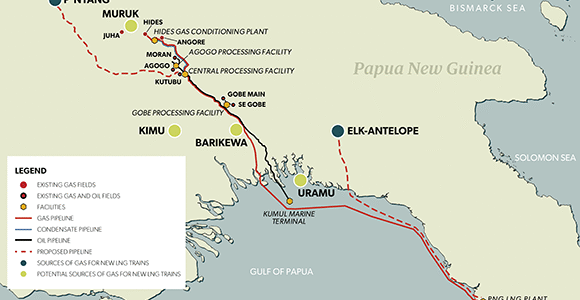
You always have to be prepared for surprises in PNG, but it certainly looks like the ExxonMobil-led P’nyang gas project will not proceed in its current form, following the Government’s withdrawal from negotiations over the gas agreement for the project.
27 November is looming large as a key date for Papua New Guinea, with the date nominated for concluding negotiations between the State and developers over the ExxonMobil-led P’nyang gas project.

In a country like PNG, where even the National Population and Housing Census (due again next year) is problematic, market data and intelligence is hard to come by.

So, the Papua LNG project has been given the all-clear by Minister for Petroleum, Kerenga Kua. The debate about who ‘buckled’ and who kept their nerve will take place, no doubt, but the end of the government’s review into the gas agreement signed in April is to be welcomed.

The World Bank’s latest economic update on Papua New Guinea makes for interesting reading. We can expect growth this year in PNG, but how much will depend on a lot of factors, not all of which are within PNG’s control.