
While we’re still waiting for major projects to commence, some key data is suggesting Papua New Guinea’s economy has turned a corner.

While we’re still waiting for major projects to commence, some key data is suggesting Papua New Guinea’s economy has turned a corner.

Local and international investment trends suggest there is still a long way to go before the economy returns to pre-COVID levels, but some trends offer optimism and Papua New Guinea could take advantage of them.

With less than nine months until PNG’s National Elections, set for July 2022, the ‘Take Back PNG’ agenda of the Marape Government is moving into new areas.

PNG’s Pandemic Controller David Manning’s decision to remove the requirement for international visitors to quarantine on arrival is a significant development if it lasts, making it easier for international business people and skilled workers to come to PNG.
Like it or not, geo- and climate politics look set to have an even stronger influence on PNG’s business and investment agenda.

For the time being, PNG’s economy appears to be managing its way through the COVID-19 crisis. According the Treasurer Ian Ling-Stuckey in the Final Budget Outcome for 2020, released in the past week, the ‘economic impact of the health crisis remained within our initial estimates.’
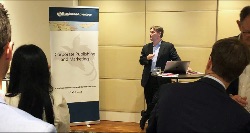
A couple of weeks ago, Business Advantage International hosted a small, high-level gathering of PNG-focused business leaders in Sydney, Australia.
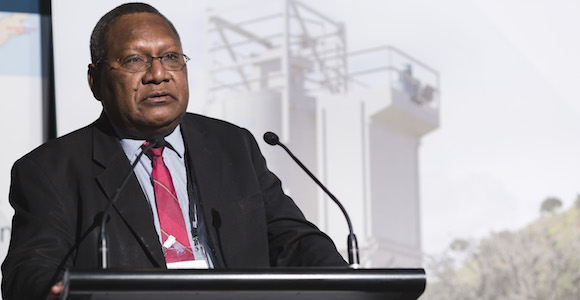
The positive news that the Marape government and Barrick Gold have reach a ‘binding framework agreement’ for the reopening of the Porgera gold mine is being welcomed with relief by almost all concerned.

Given the delicate state of Papua New Guinea’s economy, as indicated by recent World Bank and Asian Development Bank forecasts, the news last month that the final legislative hurdle for the Papua LNG project had been delivered is welcome.

What do Virgin Australia, Westpac, Norton Rose Fulbright and Horizon Oil have in common? As you may have noted, they are all companies that have effectively signalled a scaling back of, or end to, their PNG presence in the past year.