
While most of Papua New Guinea’s coffee crop is sold in bulk to Europe’s major coffee giants, Paul Howell discovers one American businessman trying to offer the country’s coffee growers an altogether different, ‘aerial’ route to the US market.

While most of Papua New Guinea’s coffee crop is sold in bulk to Europe’s major coffee giants, Paul Howell discovers one American businessman trying to offer the country’s coffee growers an altogether different, ‘aerial’ route to the US market.
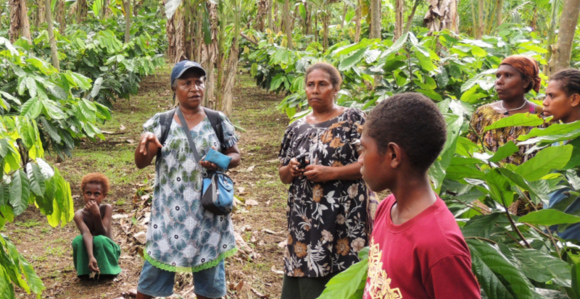
Despite growing demand for cocoa around the world, the industry in Papua New Guinea is in crisis, with production in East New Britain alone plummeting by 82% between 2008 and 2012. Business Advantage PNG reports on attempts to combat the pest which threatens the sector.
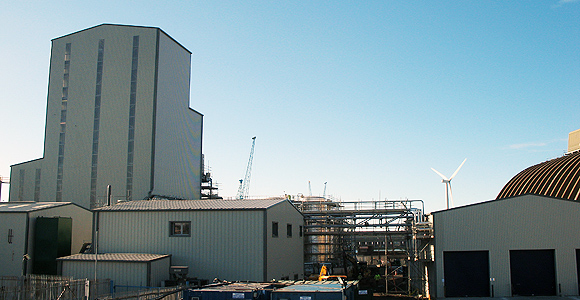
The PNG Securities Commission says it is not in the national interest for Kulim Malaysia to increase its stake in New Britain Palm Oil Limited (NBPOL).
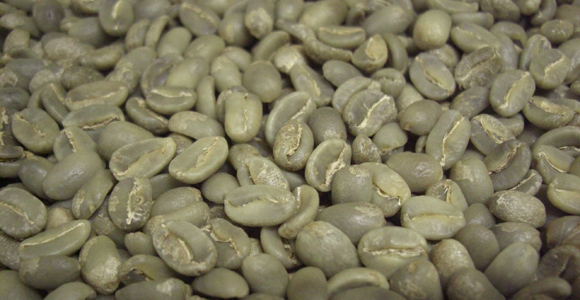
Commodities prices have been sold off heavily over the past week on worries that the global economy will slow. What does this mean for Papua New Guinea’s agricultural producers?
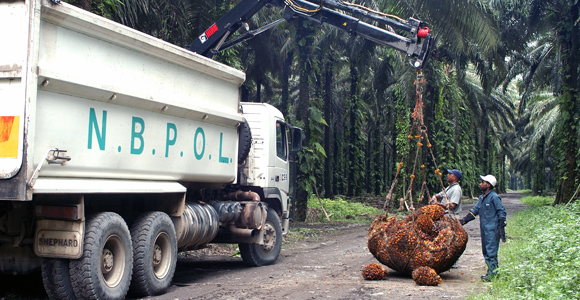
Market reaction to the proposed move to make New Britain Palm Oil Limited (NBPOL) a subsidiary of Malaysian company Kulim (Malaysia) Berhad has been generally positive, although one observer questions why PNG-based investors aren’t taking advantage of the fall in NBPOL’s share price.
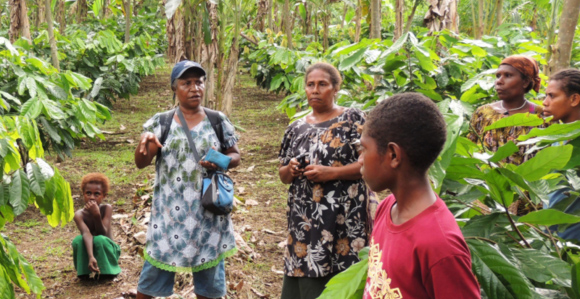
Paul Barker argues for a far greater emphasis on Papua New Guinea’s largest most widespread economic activity—agriculture.

Bob Hansen, MD of major agribusiness Mainland Holdings, considers the threats and opportunities to Papua New Guinea from climate change.

When Jerry Kapka began his working life as a teacher, he never anticipated one day he would own one of Papua New Guinea’s leading coffee companies.

New Britain Palm Oil Limited reported a 70.4% gross profit decrease to US$81.6m in 2012.
Papua New Guinea’s New Britain Palm Oil Ltd (NBPOL) has been to be ranked as Sector Leader in Agricultural Products in the 2012 Forest Footprint Disclosure (FFD) Annual Review.