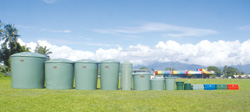
K K Kingston, one of Papua New Guinea’s largest manufacturers, turns 40 in 2012. Paying a visit to its HQ in Lae, Robert Hamilton-Jones found the company evolving at a furious pace.

K K Kingston, one of Papua New Guinea’s largest manufacturers, turns 40 in 2012. Paying a visit to its HQ in Lae, Robert Hamilton-Jones found the company evolving at a furious pace.

Palm oil, sugar and beef producer, New Britain Palm Oil Limited, is Papua New Guinea’s leading agribusiness, with almost 100,000 hectares under its management across several provinces. Made in PNG asked Jamie Graham, General Manager of NBPOL subsidiary Ramu Agri Industries, about the next steps for this PNG success story.
The Papua New Guinea Government offers a number of incentives to help develop the local manufacturing sector.

Papua New Guinea’s only cement manufacturer is riding the wave of soaring demand from the real estate, mining and public sectors.

The range of products manufactured in Papua New Guinea is growing all the time.
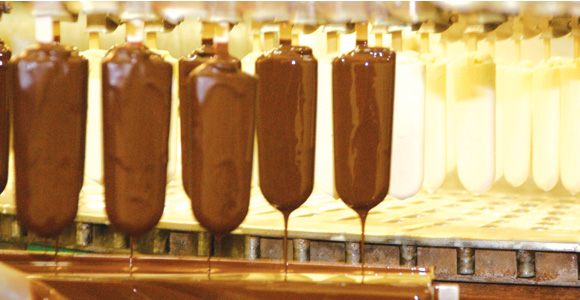
Laga Industries is a big name in Papua New Guinea manufacturing, producing, blending and importing a wide range of foodstuffs, condiments and beverages. Originally formed in 1975, a merger with Trade Winds Liquor in 2008 dramatically broadened its suite of products.
![Traffic through PNG's ports rose by 46% in 2011 [source: PNG Ports]. Pic: Pacific Islands Trade and Invest](https://www.businessadvantagepng.com/wp-content/uploads/2012/09/DAY1-MORESBY098.jpg)
Many of the success stories in this publication have occurred against significant odds. Papua New Guinea’s producers face many challenges in developing their businesses, although things are looking up.

Information and communications technology has received a much-needed shake-up in Papua New Guinea.
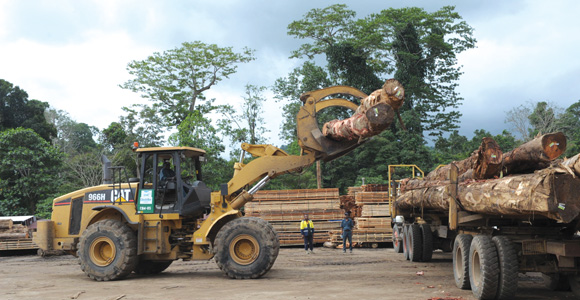
Papua New Guinea’s forestry sector has bounced back from the 2008/9 slump, and is looking to value-adding, together with sustainability and traceability practices, for its growth.

Fisheries has emerged as one of Papua New Guinea’s most dynamic sectors, following a wave of investment from Asia. In this special feature, Samantha Magick speaks with some of the sector’s key players about its current state and the prospects for further expansion.