
We take a look at some of the key players in Papua New Guinea’s fisheries sector.

We take a look at some of the key players in Papua New Guinea’s fisheries sector.

Aquaculture is a potentially important industry for income generation and food security throughout many parts of Papua New Guinea.
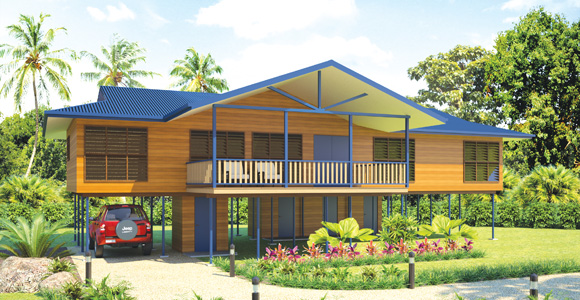
Niu Homes has a 30-year history of providing buildings for Papua New Guinea’s residential and industrial sectors, from 24-room complexes for mining camps to family homes.

The Cloudy Bay Sustainable Forestry Company operates to a simple formula: ‘high quality at a fair price.’
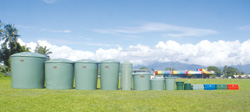
K K Kingston, one of Papua New Guinea’s largest manufacturers, turns 40 in 2012. Paying a visit to its HQ in Lae, Robert Hamilton-Jones found the company evolving at a furious pace.

Papua New Guinea is party to a number of advantageous trade agreements that give its exports preferential access to markets all over the world. Here’s a brief summary.

Palm oil, sugar and beef producer, New Britain Palm Oil Limited, is Papua New Guinea’s leading agribusiness, with almost 100,000 hectares under its management across several provinces. Made in PNG asked Jamie Graham, General Manager of NBPOL subsidiary Ramu Agri Industries, about the next steps for this PNG success story.
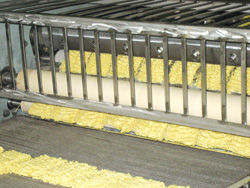
The Papua New Guinea Government offers a number of incentives to help develop the local manufacturing sector.

Papua New Guinea’s only cement manufacturer is riding the wave of soaring demand from the real estate, mining and public sectors.

The range of products manufactured in Papua New Guinea is growing all the time.