
China wants extra loan to fund PMIZ, unions concerned about housing tax on employees, Bank PNG questions accuracy of IMF economic report. Your weekly digest of the latest business news.

China wants extra loan to fund PMIZ, unions concerned about housing tax on employees, Bank PNG questions accuracy of IMF economic report. Your weekly digest of the latest business news.

Managing Director of Paradise Foods steps down, Bakani re-appointed as Central Bank Governor, KPMG appoints a new Managing Partner, four new NASFUND executives.
InterOil shareholders to vote on revised takeover bid by ExxonMobil in February, government debt rises in September quarter, Oil Search and Kumul Energy to evaluate proposed power projects. Your weekly digest of the latest business news.

A new Deputy Governor of Bank PNG, an acting Managing Director at the Investment Promotion Authority, a new regional Managing Director at BOC, Director resigns from BSP
Loi Bakani, Governor of the Bank of Papua New Guinea has presented his Economic Outlook. It contains a few surprises.

Eighty per cent of Interoil shareholders approve of ExxonMobil’s takeover bid, PNG economy to grow by two-to-three per cent, and plans for a new shipyard in Madang. Your weekly digest of the latest business news.
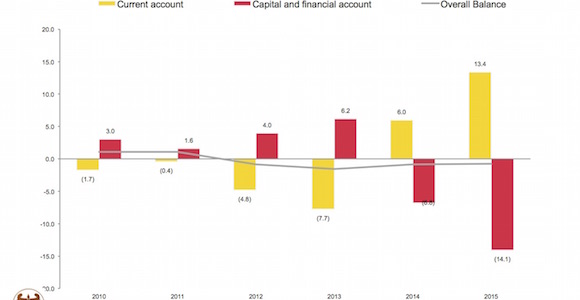
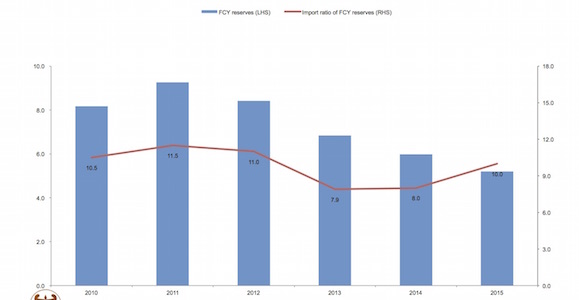
The governor of the Bank of Papua New Guinea, Loi Bakani, says that the shortage of foreign exchange is ‘an issue based on supply and demand of foreign currency for kina.’ One way to increase demand for a nation’s currency is to modernise the bond markets. A World Bank report has looked at some options.

The greatest challenge facing Papua New Guinea’s financial system and businesses is to establish saving in the country’s mostly unbanked population. That is the message from three of the country’s top bankers.

Papua New Guinea’s top bankers discuss the kina, foreign exchange shortages, finance for business and the future of banking services.
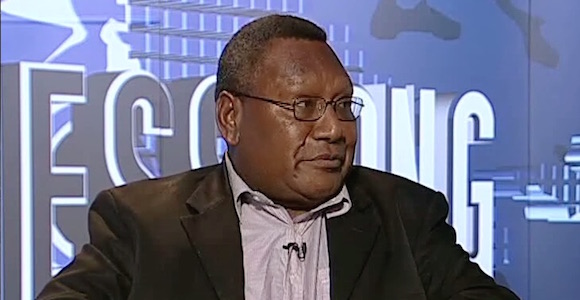
Papua New Guinea’s top two bankers, Loi Bakani, Governor of the Bank of Papua New Guinea and Robin Fleming, Chief Executive of Bank South Pacific, have asserted that the kina is not ‘controlled’. The shortage of foreign exchange is rather due to supply demand imbalances—but there is light at the end of the tunnel.