
Officials reveal loan share deal signed two weeks ago, Abbott/O’Neill sign a new trade treaty and Bank PNG board happy with economy. Your weekly digest of the latest business and economic news.

Officials reveal loan share deal signed two weeks ago, Abbott/O’Neill sign a new trade treaty and Bank PNG board happy with economy. Your weekly digest of the latest business and economic news.

The value of the Papua New Guinea’s currency, the kina, is expected to fall as much as ten per cent over the coming year, after stabilising for the last two months, according to Lead Pacific Economist at ANZ Bank, Daniel Wilson.
Credit Corporation shareholders decide not to sell up to BSP, while Papua New Guinea business visa fees rise sharply and Ok Tedi landowners threaten to close the mine in the latest dispute over the government’s takeover.
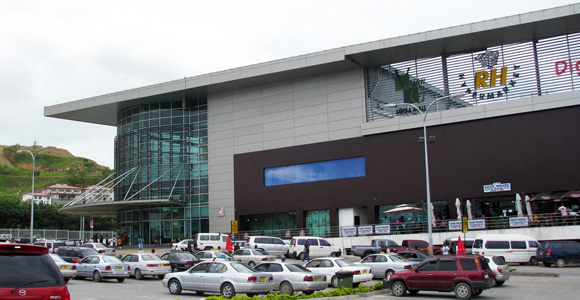
Papua New Guinea’s retailers and manufacturers alike reporting significant drops in revenue this year. How serious is the downturn?

The sharp fall of Papua New Guinea’s currency, the kina, over the past few months is a cause for concern, with Manufacturers Council of PNG CEO Chey Scovell describing it as a ‘real kick in the guts’ for local manufacturers.

With Papua New Guinea’s Sovereign Wealth Fund (SWF) due to receive its first revenues next year, the Governor of the country’s central bank has given his approval. Meanwhile, the International Monetary Fund has sounded a note of caution.
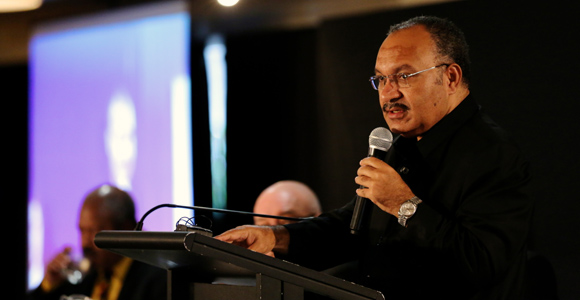
The annual Papua New Guinea Advantage investment summit was held this week in Port Moresby. After two days of discussions, presentations, speeches, dinners and question-and-answer sessions, here are five observations.

The Bank of Papua New Guinea argues that the government should fund its spending plans from the domestic banking system. Meanwhile, the government is ramping up its borrowing from foreign sources. Who is right?

Commercial lawyer Steven Kami says PNG’s superannuation and life insurance sectors are worried about the effect of the new prudential standards on corporate governance, and in particular the effect on eligible directors.

The Governor of the Bank of Papua New Guinea, Loi M Bakani, has urged the Papua New Guinea Government to fund its projected large deficits over the next few years from the high levels of liquidity in the domestic banking system.