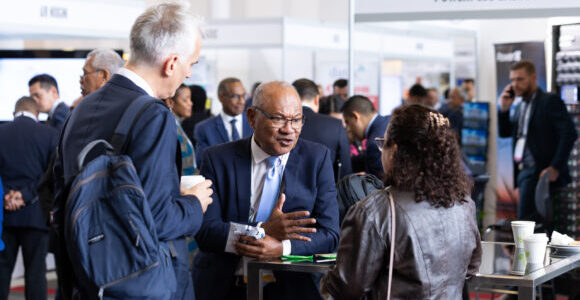
Special economic zones, green finance, privatisations and more: Business Advantage PNG lists five key focus areas to look out for in Papua New Guinea’s investment space this year.

Special economic zones, green finance, privatisations and more: Business Advantage PNG lists five key focus areas to look out for in Papua New Guinea’s investment space this year.

National Executive Council reshuffle, a new Chief Executives for PNG Power and Westpac PNG, OTML Chairman resigns, a new COO for PNG Ports and a reappointment at the Department of ICT.
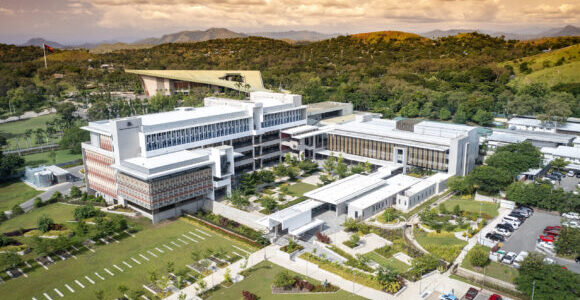
Business leaders are not quite ready to call it, but there are promising signs as Papua New Guinea celebrates its 50th anniversary of independence. Business Advantage PNG spoke with the country’s top CEOs to learn more about current business conditions.

LNG, forex and fuel supply remain in focus, while new listings and privatisation are on the agenda. Business Advantage PNG looks to the year ahead and considers what Papua New Guinea-focused businesses can expect in the coming 12 months.
The Business Advantage PNG editorial team was among the delegates at the 2024 Papua New Guinea Investment Week (formerly the Papua New Guinea Resources & Energy Investment Conference) in Sydney, held from December 8-11. Here are our top five takeaways from the event.

Looking back over the history of resources development in Papua New Guinea, the need for patience and persistence is clear.
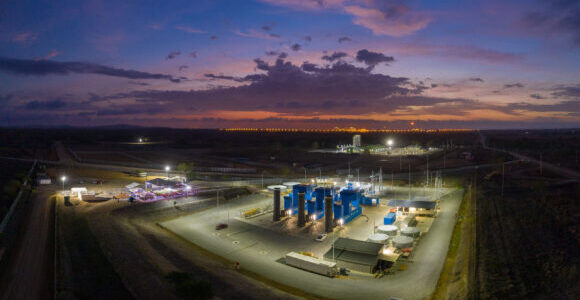
Independent power producers are playing a key role in helping PNG move towards its ambitious electrification goals. But their viability will be in question until a dispute over payments is resolved.
Energy regulator announces an increase in power prices to support the rehabilitation of PNG Power, Nambawan Super threatens to lock out its government tenants and Wafi-Golpu negotations continue. Your business news in a nutshell.

Papua New Guinea’s independent power producers are owed in excess of K200 million by state utility PNG Power, which itself is facing revenue challenges, according to industry association, IP3. The situation is being made worse by rising global fuel costs.

Kumul Petroleum Holdings has been working non-stop to assist the National Government reach its goal of connecting 70 per cent of Papua New Guinea’s population to electricity within the next eight years. Here’s how it’s advancing.