A day at Port Moresby’s National Museum and Art Gallery
Kate Webster reports that recent renovations to Port Moresby’s National Museum and Art Gallery have revived a cultural heartbeat.
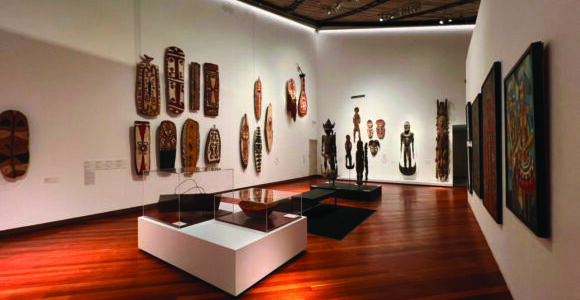
The National Museum and Art Gallery has reopened after extensive renovations. Credit: Kate Webster
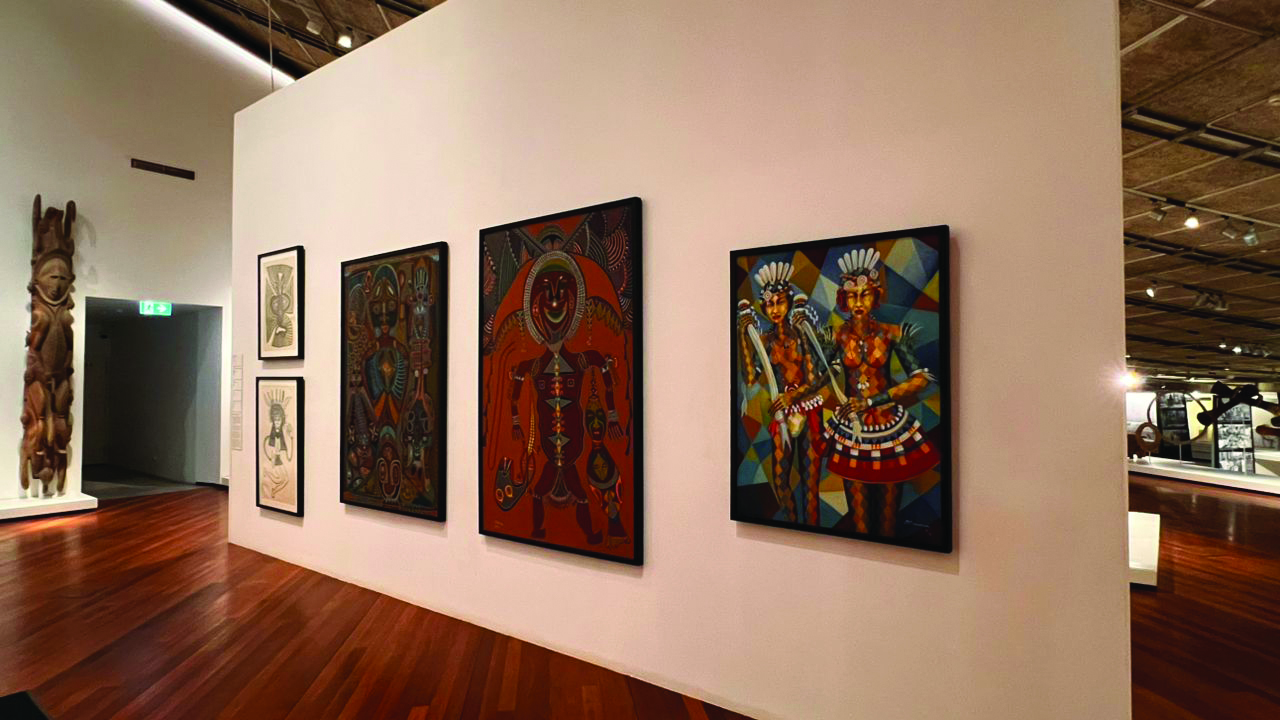
Inside NMAG. Credit: Kate Webster
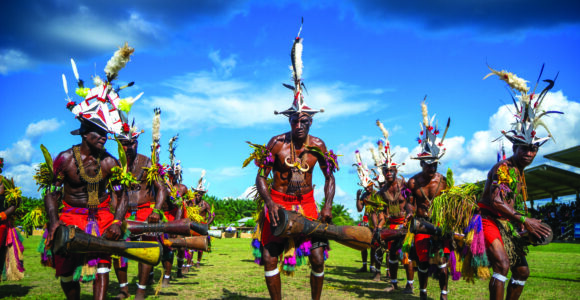
Walking through the grand entrance of Port Moresby’s National Museum and Art Gallery (NMAG), I felt a rush of pride, colour, and connection. The scent of timber carvings blended with the cool air from the renovated halls, while the rhythmic sounds of traditional drumming echoed faintly from the courtyard. This was more than a museum reopening; it was the revival of Papua New Guinea’s spirit.
First opened in 1977, the museum officially reopened on October 12, 2025, after extensive renovations. NMAG’s transformation is stunning. After decades of minimal change, the museum now stands as a modern cultural hub. It is one of the best museums I have seen.
This achievement comes from the PNG–Australia partnership, Architectus’ thoughtful redesign, and the dedication of NMAG’s curatorial team.
“The five updated galleries each tell a distinctive story, weaving together the narrative of a nation”
The renovation has revitalised the museum’s architecture, preserving Martin Fowler’s sweeping roof and concrete design while adding warmth and accessibility through new lighting, ramps, and digital displays.
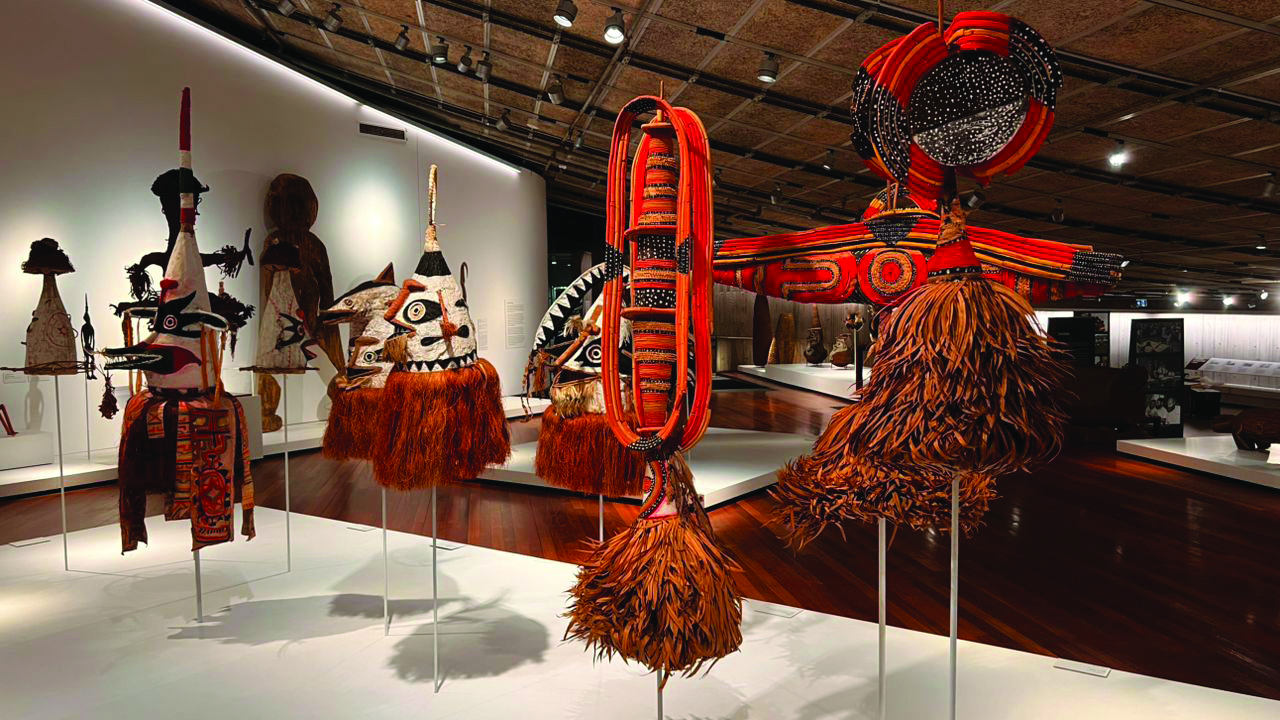
Inside NMAG. Credit: Kate Webster
The five updated galleries – Tumbuna, Susan Karike, Bernard Narokobi, Ian Saem Majnep, and Be Jijimo – each tell a distinctive story, weaving together the narrative of a nation. From the anthropological treasures of ancient highland cultures to the shining shells and woven art of coastal provinces, every piece resonates with history.
Curators selected 450 items from more than 30,000 artifacts, representing all 22 provinces of PNG. Towering ancestral carvings seem to breathe next to contemporary canvases, while delicate textiles hang beside bold totems.
The layout encourages you to meander slowly and listen. It serves as both a museum and a space for reflection.
Kurt Diercke, who has been residing in PNG for the last eight years, says: “The collection is carefully exhibited and allows visitors to gain an in-depth understanding into the diversity of culture throughout PNG, without being overwhelming. It is a great introduction for those visiting PNG for the first time and is still a fascinating place to visit for those who have ventured here on multiple occasions.”
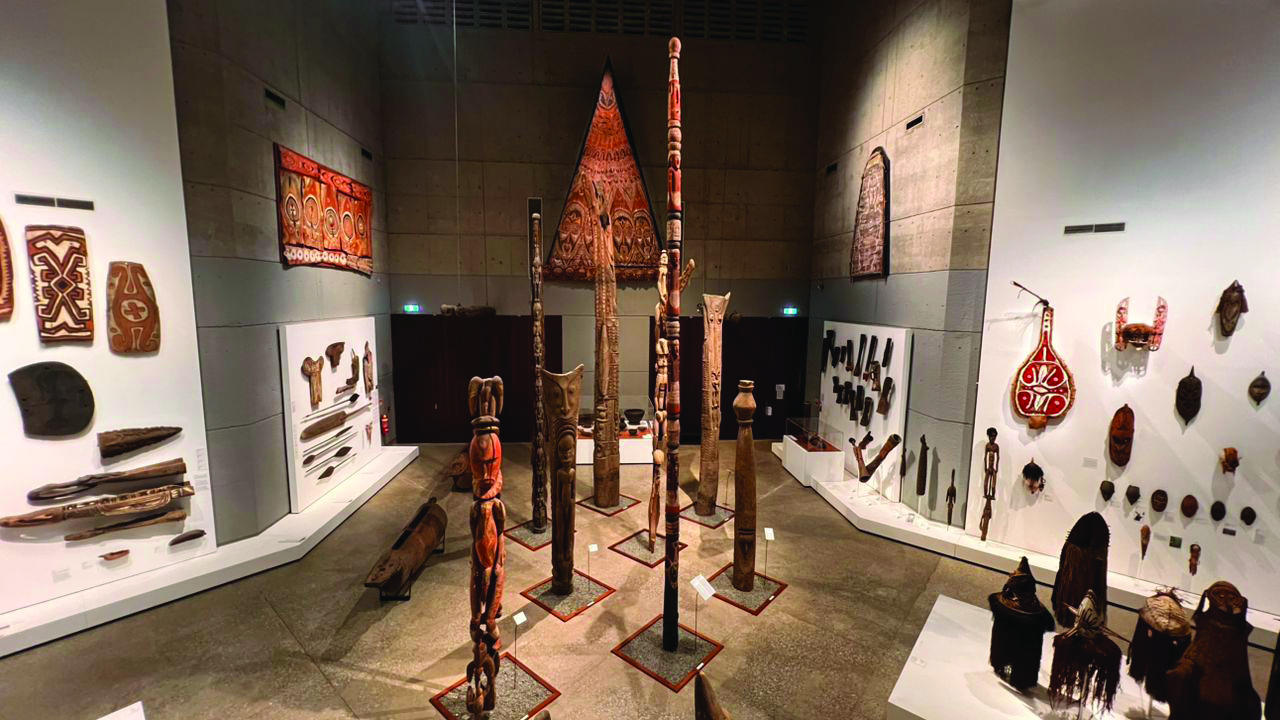
Inside NMAG. Credit: Kate Webster
One of the most moving exhibits is Voices from the War, a multimedia presentation created with Deakin University and local institutions. Standing before an old field radio, listening to a veteran’s voice fill the room – his story connecting the past with the present.
This blend of oral history and technology ensures that future generations hear, see, and feel the real experiences of Papua New Guineans. Accessibility is central to NMAG’s new chapter. The addition of ramps and modern facilities guarantees that everyone – locals, tourists, and schoolchildren– can enjoy the museum’s treasures.
NMAG is now a key part of PNG’s cultural tourism landscape, and a visit is a must before venturing off into the country to see the living culture and history for yourself. It grasps the essence of the Pacific. The museum stands as a symbol of teamwork, creativity, and cultural pride, receiving acclaim and recognition across the region for its thoughtful design and
inclusive vision.
Plan your visit to explore the stories that shape PNG’s past, present, and future at museum.gov.pg.
This article was first published in the February – April 2026 issue of Paradise, the in-flight magazine of Air Niugini.