Sixty per cent of households in Papua New Guinea are now using solar energy, compared with just two per cent seven years ago, according to a recent International Finance Corporation report. What’s driving this extraordinary growth? asks Kevin McQuillan.
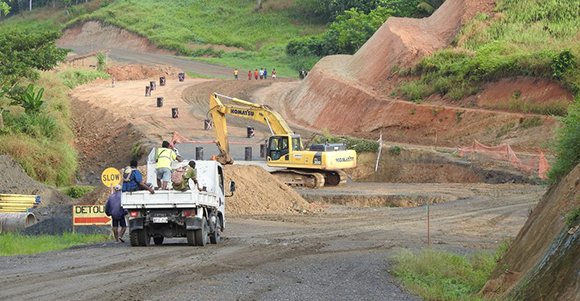
Currently, the only way of bringing bulk agricultural produce out of Papua New Guinea’s fertile Highlands is down the Highlands Highway to the port city of Lae. A new study has identified a faster second route—through Gulf Province. Business Advantage PNG investigates.
Prime Minister Marape asks China to consider a Free Trade Agreement with Pacific island countries; Kumul Consolidated Holding reveals construction plans for Port Moresby, and an agreement has been reached to recommence the Carbon Trading Project in East Sepik Province. Your weekly digest of business news.
Get ready for the next wave of changes at the workplace, blockchain technology for the shipping industry, all S&P 500 companies now have women on their boards of directors. Readings from around the world on business, leadership and management.
What the Mid-Year Economic and Fiscal Outlook reveals about Papua New Guinea’s international debt standing and foreign exchange markets.
Operations at Porgera mine will continue while the application for the Special Mining Lease is revised, concerns about the delay in the approval of the Ramu 2 project, and Wafi-Golpu still before court. Your weekly digest of business news.
Papua New Guinea’s Petroleum Minister Kerenga Kua has announced that the National Executive Council (PNG’s cabinet) has ‘in principle’ agreed to ‘stand behind’ the gas agreement signed in April for the US$10 billion (K33.7 billion) Total-led Papua LNG project.
In just two weeks’ time, senior executives from across the region will gather in Sydney for the 2019 Business Advantage Papua New Guinea Investment Conference. We preview what delegates can expect from the event.
The World Bank’s latest economic update on Papua New Guinea makes for interesting reading. We can expect growth this year in PNG, but how much will depend on a lot of factors, not all of which are within PNG’s control.
A new study has shown that about 80 per cent of Papua New Guinea’s population has no clear form of identification. What does this mean for the country’s economy in the digital age? David James examines.