Port Moresby’s electricity generation capacity is set to almost double, with the advent of two new independent power producers, Dirio Gas & Power and NiuPower. For the first time, gas will be used for domestic power supply in Papua New Guinea—but challenges remain.
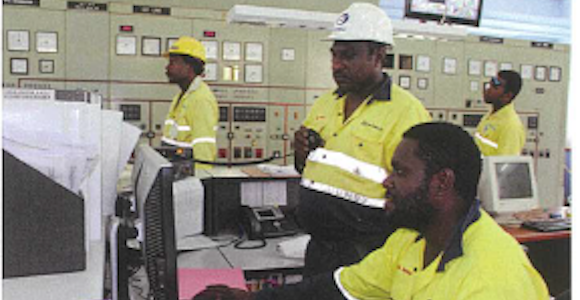
Power projects in Papua New Guinea are notorious for taking a long time to get up and running, Independent Power Producers of Papua New Guinea Industry Group Chairman David Burbidge tells Business Advantage PNG. But the group may have a solution.
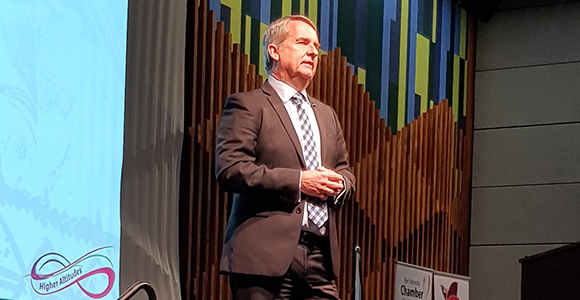
The new Chief Executive of Air Niugini, Alan Milne, says that after two difficult years for the airline, the prospects are looking much better. He says he is adopting a ‘four pillar’ program to transform the carrier.
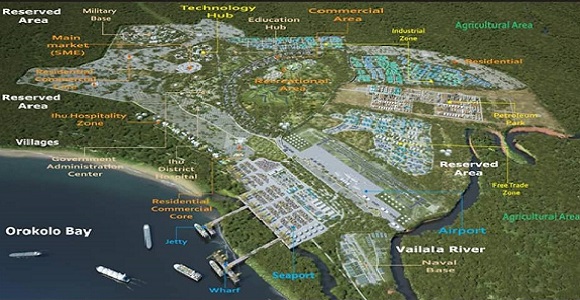
A fifteen-year plan to develop the Ihu Special Economic Zone is expected to be approved this month. Driving its development will be the infrastructure requirements for Papua New Guinea’s second liquefied natural gas project—Papua LNG.
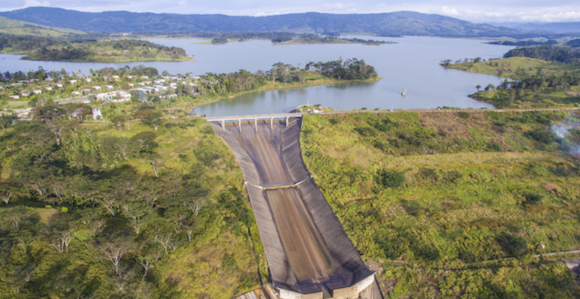
Carolyn Blacklock, the acting Managing Director of PNG Power, says the money that will come from the Papua New Guinea Electrification Partnership established at APEC will greatly assist the roll out of electricity. She says PNG Power has sharply increased the number of connections it is making and is aiming to concentrate on hydropower.
Kumul Consolidated Holdings, the holding company for Papua New Guinea’s state-owned enterprises (SOEs), has released its Year in Review. It says that 2018 has been ‘particularly difficult and challenging’ for the country’s SOEs and that a fundamental change is necessary if the enterprises are to expand.
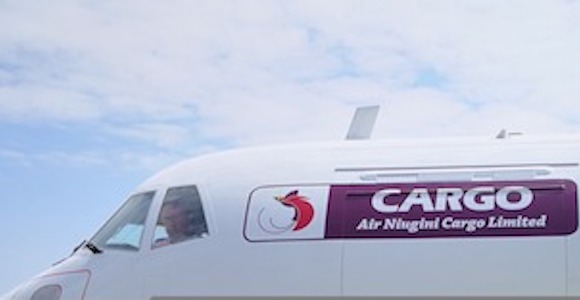
What’s behind Air Niugini Cargo Limited’s recently implemented 50 per cent discount on a range of freight exports? ANCL’s General Manager, Gus Kraus, explains the thinking behind the move to Business Advantage PNG.
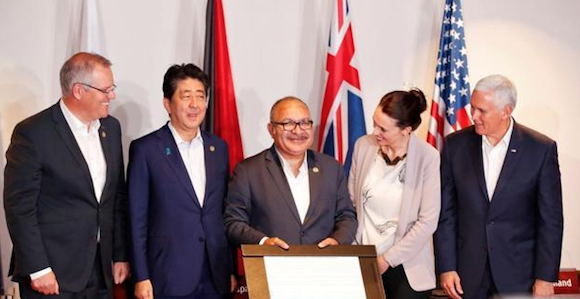
The Prime Minister Peter O’Neill has signed the Papua New Guinea Electrification Partnership with Australia, Japan, the United States and New Zealand, whose aim is to provide power to 70 per cent of the country’s population by 2030. Currently, only 13 per cent of PNG’s population has reliable access to electricity.
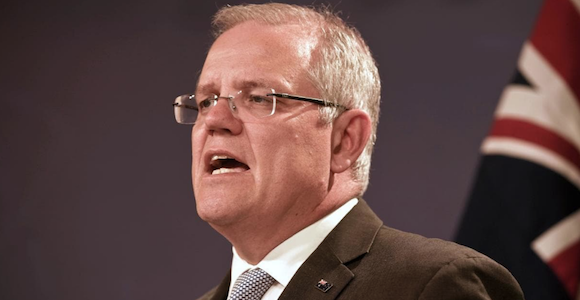
The Australian Government has announced plans to set up an infrastructure bank as part of a A$3 billion suite of measures aimed at countering China’s influence in the southwest Pacific and lifting its own engagement in the region. Regional analysts say the funds need to go to Micro, Small to Medium Enterprises (MSMEs), as well as SMEs, and for small projects in remote areas.
The Asian Development Bank will start redeveloping the entire Highlands Highway simultaneously rather than doing it in sections, according to David Hill, Country Director for the ADB. He outlined the ADB’s focus on improving both physical and digital connectivity in Papua New Guinea.