
Cashed up after the completion of several recent deals, oil and gas company InterOil Corporation has widened its exploration focus to include up to 40 promising new targets.

Cashed up after the completion of several recent deals, oil and gas company InterOil Corporation has widened its exploration focus to include up to 40 promising new targets.

Grown almost entirely without pesticides in small village gardens, PNG coffee is cherished by aficionados around the world for its delicate fruity ‘winey’ and smooth caramel aftertaste. Ian Neubauer looks at how the coffee bean is processed for its major markets in Australia and Europe.

Despite its potential, the Papua New Guinea music industry is doing it tough. Music producers and promoters say it’s been in ‘massive decline’ for the last seven years, and without new laws and government support, that decline will continue.
The International Finance Corporation (IFC) has negotiated an additional US$50 million in funding for the Bank of South Pacific, to expand its financing and promote private sector growth.

A new player is preparing to enter Papua New Guinea’s palm oil industry, after Malaysian conglomerate Sime Darby was selected as the preferred bidder for Kulim Malaysia’s shares in PNG’s largest agribusiness, New Britain Palm Oil (NBPOL). What do analysts think of the move?

Two respected trade and industry leaders have urged the government to boost investment in agriculture and non-mining sectors, warning a failure to act soon could induce ‘the dreaded Dutch Disease’.
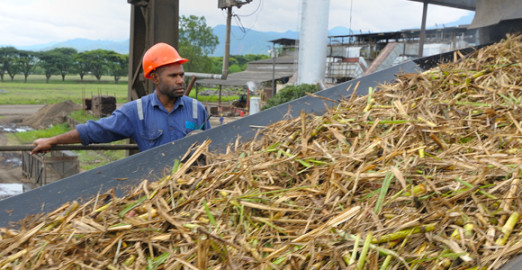
Papua New Guinea’s largest sugar grower, Ramu Agri Industries, is adding value to its sugar harvest with new products. Business Advantage PNG spoke to General Manager Jamie Graham about its production of spirits and ethanol.

Papua New Guinea’s third telecommunications operator, bmobile, has signed a partnership arrangement with the global giant, Vodafone UK. Chief Executive Officer Sundar Ramamurthy tells Business Advantage PNG what the agreement means for the company’s operations in PNG and Solomon Islands.
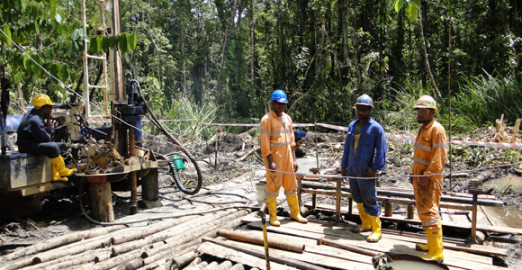
Australian-based Kula Gold says the granting of a mining lease to develop its Woodlark Island Gold Project is a ‘milestone’, for both itself and the Papua New Guinea Government. The next step is to confirm financing for the project, Kula’s Chief Executive Officer Stuart Pether tells Business Advantage PNG.
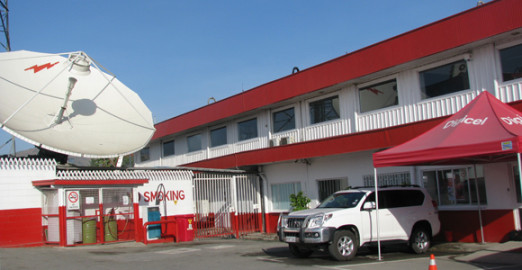
Mobile phone provider Digicel PNG plans to launch its own multi-station television service later this year. The move is the latest in a series of strategic moves to transform the mobile phone company into a broader based media company in Papua New Guinea.