
Australia’s ROC Oil is pushing ahead with its move into Papua New Guinea through a merger with Horizon Oil, one of the companies behind the Stanley gas project in Western Province.

Australia’s ROC Oil is pushing ahead with its move into Papua New Guinea through a merger with Horizon Oil, one of the companies behind the Stanley gas project in Western Province.

The first shipment of gas from Papua New Guinea’s PNG LNG project has left for Japan this week, highlighting the potential billions of dollars of income for the project’s partners. Business Advantage PNG looks at where that income will go.

With shipments of gas from the PNG LNG project under way, Business Advantage PNG talks exclusively to Peter Botten, CEO of venture partner Oil Search Limited, about the future of Papua New Guinea’s largest company and hydrocarbons in PNG.
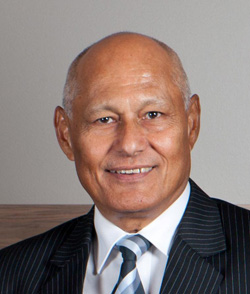
As the PNG LNG project enters its operational phase, Frank Kramer, Chairman of the National Petroleum Company of Papua New Guinea (which will hold and manage the government’s 16.8% stake) outlines his vision for managing the country’s hydrocarbon assets.
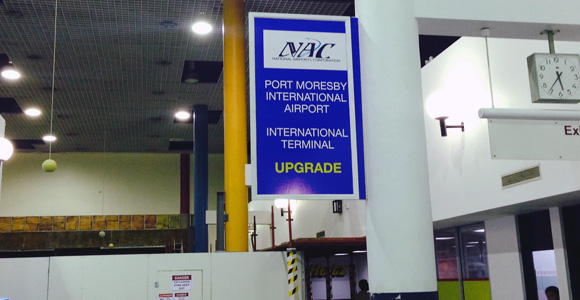
Port Moresby International airport is undergoing an expansion, ahead of an influx of passengers for the 2015 South Pacific Games, the 2018 APEC summit and projected increases in traffic as the economy grows. The Acting Managing Director of the National Airports Corporation, Joseph Tupiri, outlines the plans to Business Advantage PNG.

Despite cuts to foreign aid spending in this year’s Australian Federal budget, released this week, Papua New Guinea will gain an extra A$59 million (K155 million) and regional programmes also stand out as the beneficiaries from this year’s budget, according to analysts.

With Papua New Guinea becoming more connected to the world through the internet and other digital platforms, the need to be alert to threats is becoming more important. Robert Blackman points out the risks, and considers the National Information and Communications Technology Authority’s recently-released draft policy on cyber crime.

After a two-year wait for government approval, the Stanley gas project joint venture is about to enter its construction phase. There’s also a second, even bigger, project in the offing, according to Horizon Oil’s senior representative in Papua New Guinea.

The mobile phone company set to become Papua New Guinea’s fourth mobile phone provider says it hopes to begin operations in the third quarter of 2014, targeting areas of the country where there is currently no coverage.
PNG’s kina has continued to fall against its major trading currencies, and is now at levels below those of September 2013, following a brief rally in late 2013 and early 2014.