The hosting of the APEC Summit in Port Moresby in 2018 has sparked a flurry of investment in tourism infrastructure. It promises to kick start the country’s tourism industry as the nation’s capital gets more hotel rooms, airports are upgraded and a new tourism minister takes the helm.
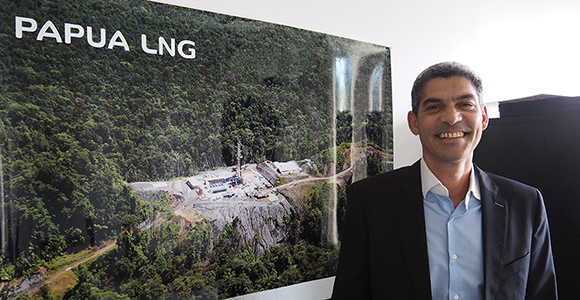
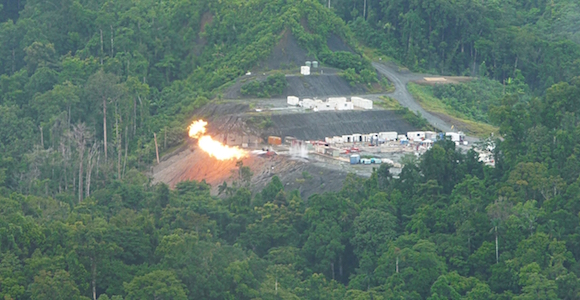
France’s Total SA has confirmed its plans to commence construction for Papua LNG, the country’s next big liquefied natural gas project. Business Advantage PNG spoke with Philippe Blanchard, Managing Director of its PNG subsidiary, Total E&P PNG, to learn more about its race to start construction in 2018.
In an environment of plummeting interest rates, long term infrastructure investment is a sound option for both investors and governments. Financial and business commentator Michael Pascoe, speaking in Port Moresby last week, noted that the difficult global financial environment throws up opportunities for countries like Papua New Guinea.
The Bank of PNG has granted exemptions to some PNG insurance companies from the tight foreign exchange restrictions, to enable the general insurers to meet their reinsurance commitments to international reinsurers.
The downturn in the Papua New Guinea economy has presented challenges for Avenell Engineering Systems (AES). But Managing Director Dominic Avenell tells Business Advantage PNG that the company has adapted well. AES is, he says, strengthening its capabilities and preparing for the next upturn.
Lifting the tax credit scheme to five per cent would see a big boost in road building and maintenance, according to the General Manager of West New Britain’s Hargy Oil Palms, Graham King.
Papua New Guinea’s currency, the kina, has fallen over the last year; many are predicting it will go lower. Business Advantage PNG talks exclusively to two analysts about where the currency is headed and how it will affect business conditions.
With the PNG LNG project now in production, all eyes are on Papua New Guinea’s next likely gas project: Papua LNG. InterOil Corporation has been with the project, based on the Elk-Antelope gas fields in Gulf Province, since its inception. Chief Executive Officer Michael Hession tells Business Advantage PNG why the project is still promising, even in a time of low global gas prices.
The CEO of Papua New Guinea’s largest superannuation fund expects 2016/17 to be another year of low growth, with a pickup from 2018 onwards. Nambawan Super’s Garry Tunstall also tells Business Advantage PNG he expects the fund will slightly increase its international investments this year.
Papua New Guinea’s cocoa industry is recovering from the pest, but the cocoa pod borer (CPB) still presents a major challenge and is unlikely ever to be fully eradicated, Cocoa Board of PNG project manager John Moxon tells Business Advantage PNG.