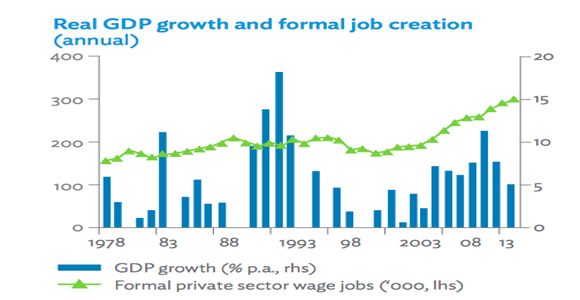
One of the biggest economic and social challenges facing the PNG government is jobs growth for its rapidly growing workforce in a post-LNG construction economy, according to the Asian Development Bank’s latest report card.

One of the biggest economic and social challenges facing the PNG government is jobs growth for its rapidly growing workforce in a post-LNG construction economy, according to the Asian Development Bank’s latest report card.

The rapidly weakening kina, deficit spending and the financing of government debt is piling pressure on the Papua New Guinea government to boost economic confidence. Economist Dr Mark Evans considers some of the issues facing both government and business.

Because computer use has become an integral part of modern-day life and work, keeping information technology secure has become a concern for all businesses, from the sole trader to large corporations. Robert Blackman offers ten steps you can take to help safeguard your company’s IT systems from digital destruction.
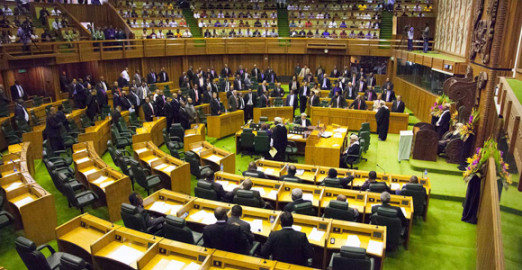
The Papua New Guinea Government has tabled in Parliament its proposed changes to the country’s constitution, reflecting the state’s ownership of hydrocarbons and minerals. Vaughan Mills and Sarah Kuman analyse the implications of these amendments.

Ending violence, positive discrimination policies, promotion of women and expanding opportunities for women are the four key ways to get more women into business, according to Lesieli Taviri, Chair of the newly-formed Business Coalition for Women.
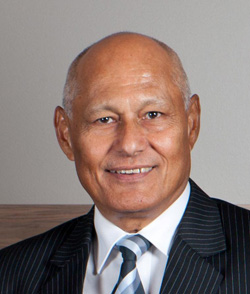
As the PNG LNG project enters its operational phase, Frank Kramer, Chairman of the National Petroleum Company of Papua New Guinea (which will hold and manage the government’s 16.8% stake) outlines his vision for managing the country’s hydrocarbon assets.

With Papua New Guinea becoming more connected to the world through the internet and other digital platforms, the need to be alert to threats is becoming more important. Robert Blackman points out the risks, and considers the National Information and Communications Technology Authority’s recently-released draft policy on cyber crime.
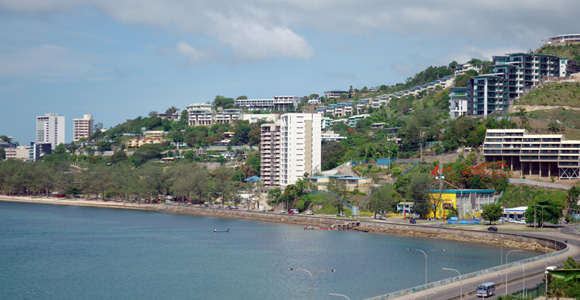
Papua New Guinea’s economy finds itself in a hiatus, ahead of what will be a watershed moment its economic history—delivery of its first gas exports. In his annual appraisal of business conditions in the Pacific nation, Andrew Wilkins talks exclusively to some of PNG’s top executives.

The Parties to the Nauru Agreement (PNA) agreed at its meeting in Honiara in March 2014 to set limits on tuna catches. Sean Dorney argues Pacific governments now need to address illegal fishing, an errant European Union, and the threat posed by subsidised foreign fishing fleets.

Papua New Guinea’s proposed Sovereign Wealth Fund was intended to stabilise the kina and secure assets for the future. But, as Paul Barker from the Institute of National Affairs argues, the government’s borrowing plan for Oil Search shares may jeopardise the fund’s effectiveness.