
The PNG Coastal Ship Owners Association has had a revamp and it has a new aim to make sure that this vital service gets the respect it deserves. New chairman of the association, James Midgley, talks to Business Advantage PNG.

The PNG Coastal Ship Owners Association has had a revamp and it has a new aim to make sure that this vital service gets the respect it deserves. New chairman of the association, James Midgley, talks to Business Advantage PNG.

What progress has solar energy made in Papua New Guinea and what is its potential, particularly for business? Christian Lohberger, President and founder of the Solar Energy Association of PNG and co-founder of Astra Solar Ltd, shares his views with Business Advantage PNG.

Papua New Guinea’s government has moved to effectively take over the Porgera gold mine in Enga Province by issuing a Special Mining Lease to state-owned mining company, Kumul Minerals Holdings. Legal challenges look likely.

A new organic law defining how Papua New Guinea manages resource projects may soon be tabled in Parliament. It appears the main aim will be to change ownership and control of future projects, but will it spook international investors?

When it comes to Papua New Guinea’s resources sector, the government wants a better share of the rewards, but the industry is warning that the country is becoming a less attractive destination for investment.

Chey Scovell, head of the Papua New Guinea Manufacturers Council, talks to Business Advantage PNG about how his sector is confronting the challenges of the new normal and an uneven playing field.
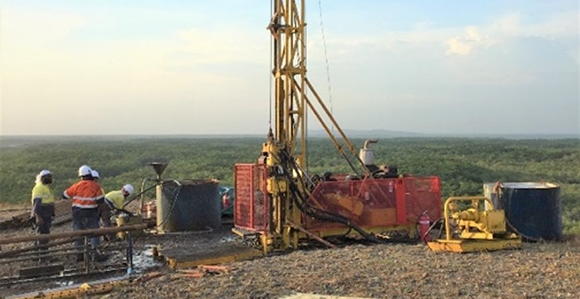
In a development that will give heart to the country’s mining sector, Papua New Guinea’s government has granted a 20-year mining lease to Mayur Resources’ US$350 million (K1.125 billion) Central Cement and Lime Project in Papua New Guinea’s Central Province.

Two new reports have outlined the revenue challenges being faced by Papua New Guinea’s government in the face of the COVID-19 pandemic.

Secretary of the Department of Land and Physical Planning, Benjamin Samson, talks to Business Advantage PNG about how his department’s move into e-government might increase revenue and make life easier for business.

Cashed-up Kingston Resources is expecting to complete a pre-feasibility study later this year for the Misima gold project in Papua New Guinea’s Milne Bay Province. With the gold price riding high, investors believe the project is a promising one.