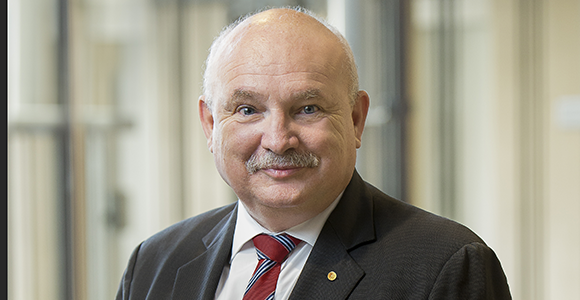
The departing Oil Search Managing Director tells Business Advantage PNG he remains positive about Papua New Guinea’s economic future, saying that LNG investment can help fund a stronger, more diversified economy. And he has some parting advice.

The departing Oil Search Managing Director tells Business Advantage PNG he remains positive about Papua New Guinea’s economic future, saying that LNG investment can help fund a stronger, more diversified economy. And he has some parting advice.

KPMG’s Wayne Osterberg argues that it might be time to use Papua New Guinea’s stock market to help drive growth in the country.
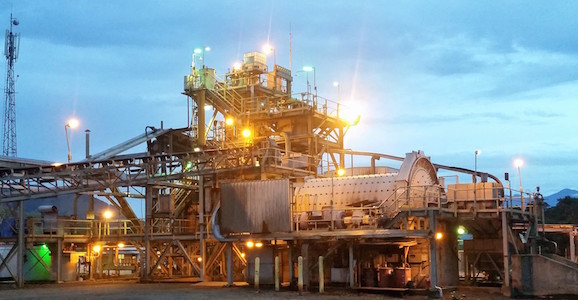
Papua New Guinea’s mining sector recorded its lowest result for five years in the Fraser Institute’s annual Investment Attractiveness Index. We consider the reasons, and their impact on PNG’s global competitiveness.

The Papua New Guinean woman who created the first cosmetics line in PNG say the fashion and beauty industry in the country ‘has only been tapped, there is so much potential to come’.

Developing an approach to business that keeps workers enthusiastic and engaged is more important than ever. So how can Papua New Guinean companies achieve this?

Foreign exchange has gone from being a big business problem to becoming a major impediment for all businesses in Papua New Guinea. What does the future hold for this and other challenges facing business?

Commercial banks call for collaboration, communication and an awareness of risk if they are help finance what could be an infrastructure boom in Papua New Guinea.

Oil and gas prices both fell this month, with LNG dropping particularly sharply, while gold and cocoa are holding their own in a tough market for commodities.
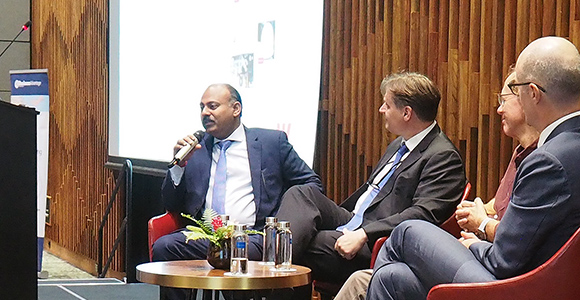
Minister for State Enterprises Sasindran Muthuvel has revealed his plans to reform Papua New Guinean’s under-capitalised state utilities and telecommunications businesses. The future could involve partial privatisation, he says.

Kevin McQuillan meets a globetrotting cruise line officer, Papua New Guinean Christina Aule.