The economic fallout from the coronavirus (COVID-19) is creating havoc across world markets and economies. According to the ratings agency Fitch, Papua New Guinea’s formal economy will be affected, but the story could be different for its informal and local economy.
Manasseh Maelanga, the Deputy Prime Minister of the Solomon Islands, says the Pacific country’s new government has turned its attention to infrastructure. Measures are being put in place to encourage private sector involvement in roads, ports and industrial townships.
The rapid spread of the coronavirus COVID-19 has disrupted global economic activity and led to a fall in financial markets. But the story is very different for big companies in Papua New Guinea, although there will be some adverse impacts, especially in the oil and gas sector.
While Australia prepares its domestic interventions, it needs to spare some thought for the Pacific as well, say Alexandre Dayant and Jonathan Pryke from the Lowy Institute’s The Interpreter
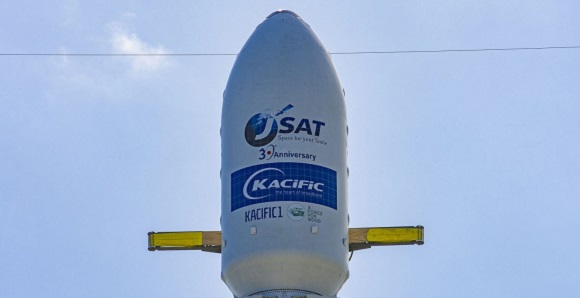
Kacific Broadband Satellites Group has the potential to transform Papua New Guinea by delivering reliable internet connectivity to people in remote and rural areas. Here’s how.
Analysts have contrasting views on the effect of the oil price war between Russia and Saudi Arabia on long-term oil and gas projects in Papua New Guinea. David James considers these, and the likely impact on domestic petrol and diesel prices.
In a wide-ranging chat with Business Advantage PNG, the Managing Director of Papua New Guinea’s state-owned National Development Bank, Moses Liu, talks about becoming an emerging force in Papua New Guinea’s banking sector.
Richard Andrews meets an anthropologist who is using traditional knowledge to preserve tracts of Papua New Guinea’s natural habitat.
The year 2020 looks like being a watershed year for Papua New Guinea, with a number of transformative projects awaiting the green light and a new government seeking to implement an ambitious agenda.
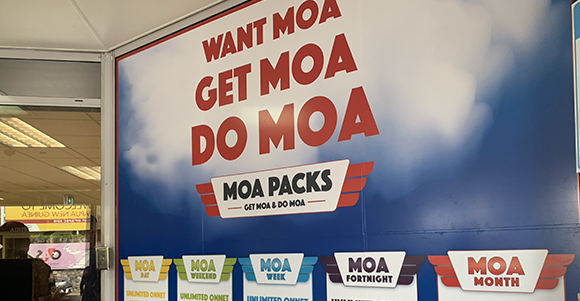
With lower prices, and more investment in customer service and infrastructure, state-owned telco Bmobile says it is ‘competition ready’ in the face of a dominant existing market leader and a new competitor due later this year.