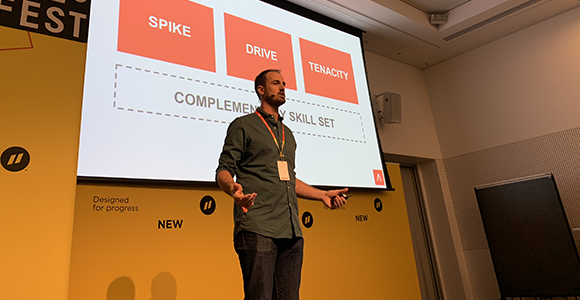
The 2020 Budget outlined an ambition to migrate half of Papua New Guinea’s population to some form of formal business by 2030. So what is required to start your own business?

The 2020 Budget outlined an ambition to migrate half of Papua New Guinea’s population to some form of formal business by 2030. So what is required to start your own business?

University of Papua New Guinea’s Maholopa Laveil looks at the real impact of the government’s tariff policies on local manufacturers.

Figures on visitor arrivals to Papua New Guinea indicate that business travel and tourism are growing but there has been a falling interest the MICE market. The number of people coming to PNG for employment increased markedly.

The lack of foreign exchange is having a deep impact on Papua New Guinea’s financial system. A new World Bank report shows that mining is the biggest generator of foreign exchange in PNG, but what about LNG projects?
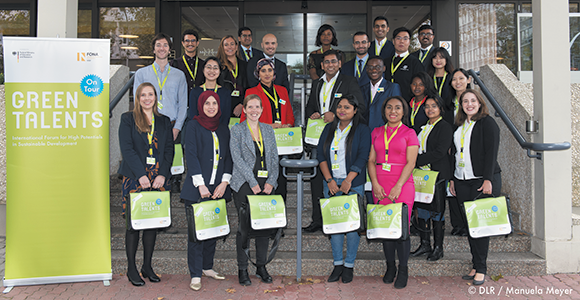
Papua New Guinean chemist Yalinu Poya has received an international award for her groundbreaking research into making sustainable synthetic fertiliser.

The suspension, at least for now, of negotiations over the P’nyang LNG project, has raised issues about the investment environment in Papua New Guinea and the issue of risk, according to analysts.
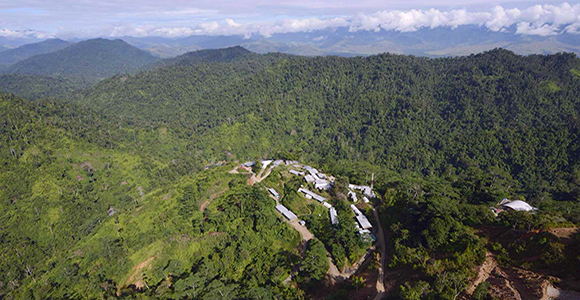
The court deadlock over the Wafi-Golpu project has ended with the National Court in Lae throwing out the injunction relating to the Memorandum of Understanding (MOU) that had brought the project to a halt. It opens the door for a potential US$5.4 billion (K18 billion) investment into Papua New Guinea.

How do you reach Papua New Guineans in remote areas? With drones – and a new company, PNG Flying Labs, is trying to ensure the next generation is qualified to fly them

SP Brewery’s use of locally sourced cassava to make its Pawa Punch brew, has been hailed for its sustainability. Corporate Affairs Manager John Nilkare talks about the award-winning project.

PwC’s Mohammad Chowdhury and Jonathan Seeto argue PNG needs three critical market reforms if it wants to make the most of its new telecommunications infrastructure.