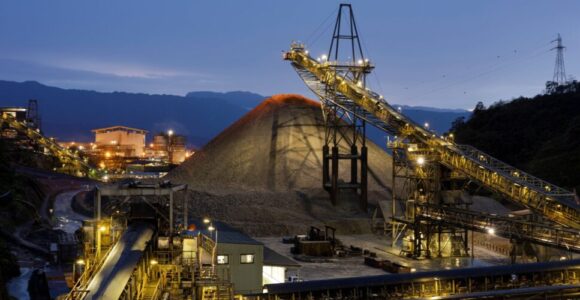
‘It’s never 100 per cent of anything’: Dirio Power’s CEO on gas, solar and investments in rural electrification
MRDC subsidiary Dirio Power is best known for its 45MW gas-fired power station in Central Province. But its focus extends well beyond gas – from solar mini-grids across Gulf and Southern Highlands provinces to developing infrastructure for other nation-building projects, as CEO James Nelson tells Business Advantage PNG.
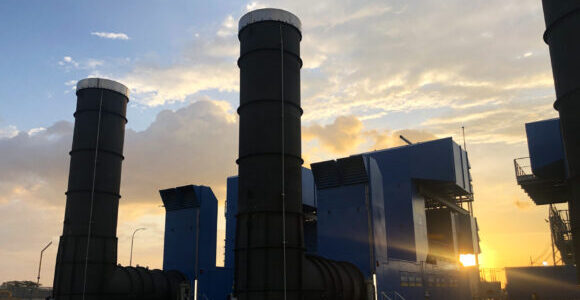
The 45 MW Dirio gas-fired power station in Central Province feeds into the Port Moresby grid. Credit: Dirio Power
Q
Aside from your gas-fired power station, Dirio has been focusing on a series of rural electrification projects. How are these progressing?
A
We have licences over big parts of the country: in the Kagua-Erave and Kutubu-Bosavi districts in the southern half of Southern Highlands Province; across the entire Gulf Province, except for Kerema Town; and in Kairuku District in Central Province.
My team has mapped that space thoroughly. We’ve identified 183 towns and villages within those areas as potential targets for [solar] mini grids and whittled that down to a top 18. We can’t deliver all 18 at once, so we’ve prioritised where we go first, second and third. We can develop them to a shovel-ready point. But we also need grant funding to support the capital expenditure, otherwise the returns are well below what we could get in a savings account at a bank and don’t cover our risk exposure.
The tender process for the Gulf mini grid went really well, with quite a number of positive responses. We’re close to being able to announce something more formally.
The biggest challenge with mini grids anywhere in this country is the level of funding support required. Distribution networks, when well maintained, last 50 to 80 years – so you’re having to recover those costs over a long period of time. The funding structure is the last piece of the puzzle. There are several grant programs available, and we’ve been having conversations with a few different parties.
“We know that walking into a village and charging five kina per kilowatt-hour isn’t sustainable.”
Q
How do you approach the economics of rural electrification, given the communities often have limited ability to pay?
A

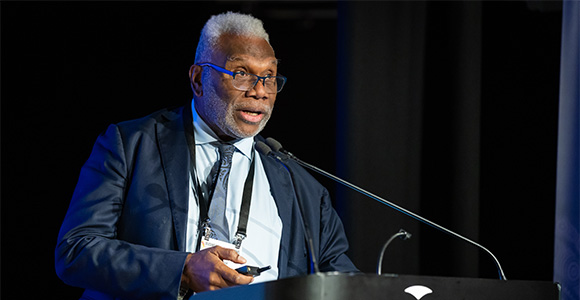
James Nelson, CEO of Dirio Power. Credit: Dirio Power
At the end of the day, we’re a private sector company. We need to deliver a return for our shareholders. But we also know that walking into a village and charging five kina per kilowatt-hour isn’t sustainable – for them or for us.
That’s why, when we go in, we conduct detailed household surveys to understand incomes and household sizes. We know in each village we visit, how much money people are able to pay for electricity. That’s a critical factor. Finding that balance is what makes these projects viable in the long run.
Q
You recently signed an MOU to develop power infrastructure for the Central Lime & Cement project in Central Province. Can you share details with us?
A
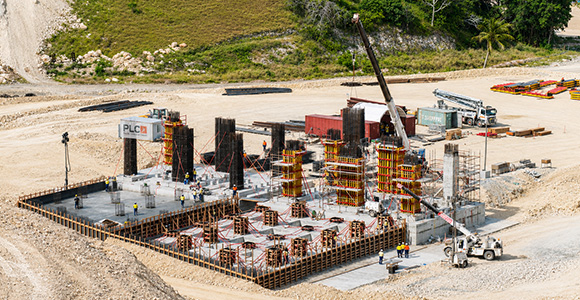
We’re hoping to build a private wire – around 30 kilometres – from our power station to that project, providing them with reliable, affordable power.
The PLC [Pacific Lime and Cement] project will be a game-changer for PNG in terms of local supply of cement and lime, as well as providing a new export industry for the country. A country’s economic development is closely tied to both electricity and cement demand. We would be proud to continue to support PNG’s economic development through providing low-cost, sustainable, and reliable electricity to a customer who will in turn be creating meaningful value for PNG’s economy, such as PLC.
Q
How do you see gas fitting into PNG's broader power supply mix going forward, when compared to other options such as hydro? And what role could the likes of Papua LNG and Pasca A play in supplying gas to the domestic market?
A
I hear plenty of people talk about the 32 gigawatts of hydro capacity in this country. Sure, there probably is, but you need a balance – because one day the water might dry up, as we’re seeing right now coming into the dry season.
And electricity demand isn’t flat either – it goes up and down throughout the day. Gas-fired plants like ours are very good at filling that gap. We can go from cold standstill to full load in 20 minutes, and we respond to microsecond changes in demand across the grid.
PNG’s power supply is never going to be 100 per cent hydro, or 100 per cent solar plus BESS [battery energy storage systems]. It’s never going to be 100 per cent of anything. Having that optimal technology mix is important to deliver least-cost electricity generation – and there will need to be new gas investment, absolutely. New projects like Pasca or even Papua LNG could play a role in that.
On 7 July, Papua New Guinea’s National Court ruled in Dirio Power’s favour in legal proceedings over PNG Power’s failure to meet payment obligations under the two parties’ Power Purchase Agreement. Read more here.