‘The rollout will continue’: Vodafone PNG’s CEO on the telco’s ongoing expansion
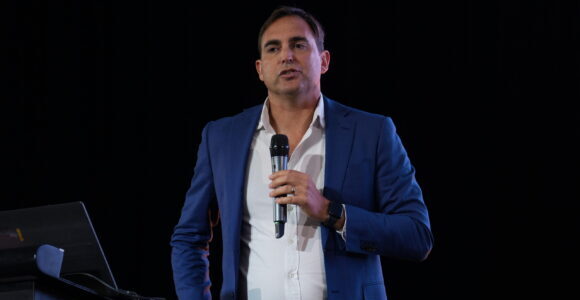
Vodafone PNG has built 800 towers since becoming Papua New Guinea’s third telco in 2022. Its Regional CEO Pradeep Lal speaks with Business Advantage PNG about the progress being made in its infrastructure buildout, the impact digitalisation is having in PNG, and plans to enter the mobile money market.
Q
How has Vodafone PNG performed in the last year?
A
This has been a standout year for Vodafone PNG. We now carry 55 per cent of the country’s total data on our network, and 93 per cent of our 2 million subscribers are smartphone users.
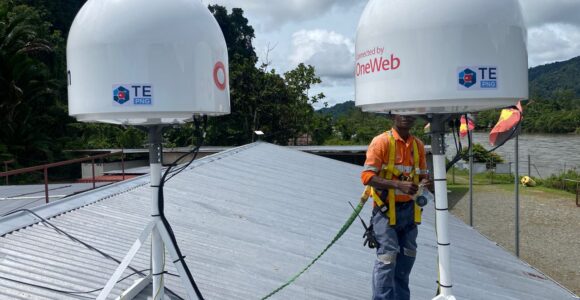
Since arriving in Papua New Guinea three years ago, Vodafone has rolled out 4G+ infrastructure to 800 sites across 22 provinces, prioritising world-class service despite challenging terrain. We remain committed to rapid expansion and are targeting 1,200 sites within the next 18 months.
“Digitalisation presents a powerful opportunity to drive transparency, reduce institutional corruption and improve efficiency across the economy.”
Q
What are your priorities for 2026?
A
Our 2026 strategy focuses on expanding reach and enhancing user experience, ensuring we serve local communities wherever they are across PNG. This includes strengthening terrestrial connectivity into regions like the Highlands, while also exploring complementary technologies such as Low Earth Orbit satellite solutions, including Starlink, to extend coverage into harder-to-reach areas. Vodafone already uses Starlink in Fiji and plans to integrate it across all markets once licensed in PNG.
Despite significant strides, the mobile penetration of the country remains relatively low at 46 per cent. We are hoping to take it to 70-80 per cent over the next 18 to 24 months.
We are working with the regulator and competing operators – particularly Digicel – to expand tower sharing and improve network coverage. Co‑location is preferred, but the rollout will continue regardless of competitor participation.
We are also engaging with provincial governments and installers to encourage greater industry collaboration, noting that tower infrastructure is increasingly viewed globally as shared real estate rather than a competitive advantage. While the regulator prefers operators to resolve sharing arrangements independently, the company is prepared to proceed alone if necessary.
On connectivity technologies, Papua New Guinea has three fibre providers – Telikom, Digicel and [PNG] DataCo. DataCo is a key partner, and the company relies heavily on its network. We are open to buying excess fibre capacity from competitors and have also built a strong microwave backhaul network.
Q
How is this increasing connectivity benefitting PNG?
A
I believe connectivity is one of the greatest equalisers, especially in emerging markets, and digitalisation presents a powerful opportunity to drive transparency, reduce institutional corruption and improve efficiency across the economy, delivering lasting benefits for the entire nation.
Globally, research data shows that every 10 per cent increase in mobile penetration delivers a corresponding 2 to 3 per cent uplift in GDP, with broad ripple effects across the various industries and economy at large. This benefits not only large enterprises but also SMEs and especially the micro business and entrepreneurship space.
Overall, the evolving network and digital services create a win‑win outcome for both operators and consumers. Services such as prepaid electricity top‑ups, entertainment streaming, gaming, and online learning are now widely accessed through mobile phones, reducing the need for travel especially in difficult terrain. We can already see what people are using their data for because networks are intelligent.
Digital government platforms, such as the online customs form and digital visa applications, have seen great uptake among travellers. Such improvements are only possible because of extensive prior investments in digital systems.
The Elections Office is currently in discussions with suppliers and technology providers as they explore opportunities to collaborate. One topic under discussion is the potential for future elections to be fully electronic, though this remains uncertain. This shift would not only improve transparency but also enhance economic efficiency.
Q
Can you share an update on plans to offer a mobile money product?
A
With the rise of banks moving to smartphone apps, we’re seeing more engagement with digital banking and digital transactions.
Our mobile money product has been licensed and approved for market use in PNG. We are excited about its potential, after its proven success in other Pacific markets, including Fiji, where the mobile money platform processed more than K15 billion in transaction value in 2025 alone. We are working hard to have pilot trials by the end of this year.
We believe our mobile money product will complement the banks and hopefully contribute to reducing the unbanked population in PNG.