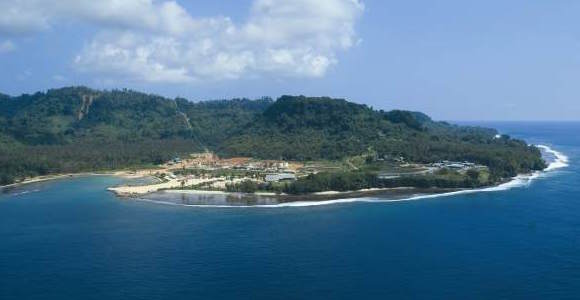
The PNG Chamber of Mines and Petroleum pledges to join help with COVID-19 efforts, news on the Simberi gold mine revised MOA and a new report highlights strategies to help the coffee industry. Your business news in brief.

The PNG Chamber of Mines and Petroleum pledges to join help with COVID-19 efforts, news on the Simberi gold mine revised MOA and a new report highlights strategies to help the coffee industry. Your business news in brief.

PNG Power’s Managing Director Flagon Bekker has outlined the state-owned utility’s plans to improve the stability and reliability of power supply in Papua New Guinea during a special Business Advantage PNG briefing. He elaborated on what will be the largest ever investment in PNG infrastructure – the nation-building Ramu 2 hydropower project.
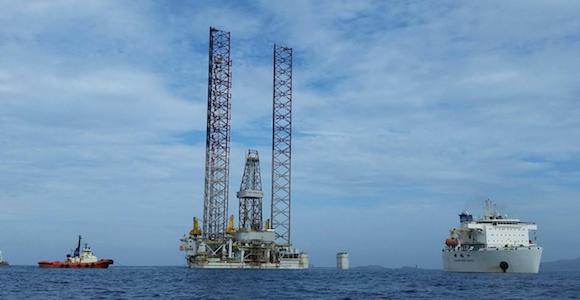
Negotiations for Twinza Oil’s Pasca A still ongoing, ANZ continues to waive fees for online transaction to 10 Pacific countries and Bank South Pacific implements a ‘no mask, no entry’ policy. The news in brief.

Ernst & Young announces key appointment for its Oceania team.

Papua New Guinea reported 295 new confirmed cases of COVID-19 on Friday and with more cases to be confirmed, the National Pandemic Controller has issued 12 new measures that come into effect today.
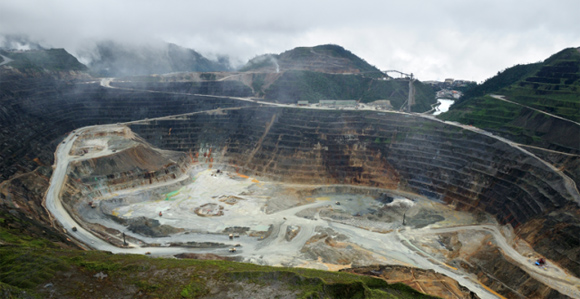
COVID-19 forces Papua New Guinea’s Ok Tedi Mining to shut operations, PNG Biomass Project decision due in later this year and Mendi Airport completion expected in October. Your business news summarised.
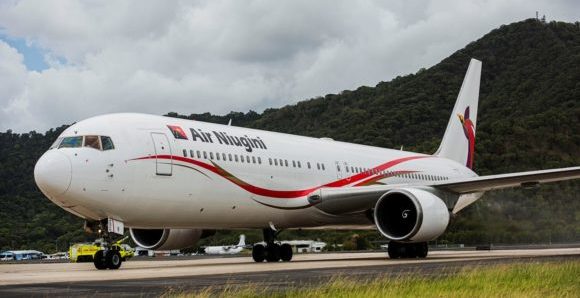
The Australia government is suspending passenger flights from Papua New Guinea to Cairns, one of a number of measures that will impact business travel between the two countries. Meanwhile, PNG is getting ready for further COVID-19 mitigation measures.

Credit Corporation, NGIP Agmark and Kina Asset Management release their 2020 financial year results. The latest business news in brief.
Credit Corporation (PNG) announces resignation of Board Director, Laga Industries welcomes new National Sales Manager.

Bank South Pacific signals intention to achieve dual listing, National Fisheries Authority gets ready to launch its 10-year plan and Papua New Guinea says farewell to its founding father.