Papua New Guinea’s foreign exchange problems are a symptom of an overly narrow industry base, according to a new report by the Business Council of PNG. It says the new government also needs to look at widening the tax base and improving infrastructure.
We are really excited about the program we have put together for our first investment conference in two years, which includes two heavyweight keynote speakers plus an impressive cross-section of PNG and international business leaders.
Oil prices have recovered and coffee and cocoa are both strong. Business Advantage PNG’s monthly review of Papua New Guinea commodity and financial markets.
Australian companies are optimistic about investing in Papua New Guinea says Philip Franklin, Head of the PNG branch of the Australia Papua New Guinea Business Council (APNGBC). But Peter Taylor, President of the Council, tells Business Advantage PNG that proposed changes to the Investment Reserve List is a concern for foreign investors.
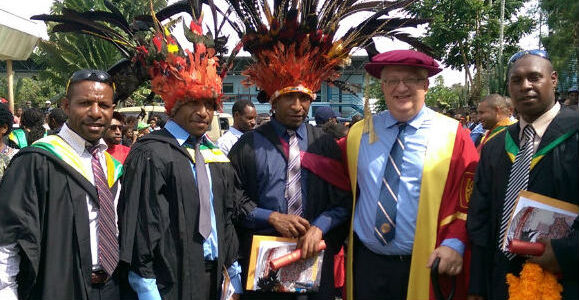
Albert Schram, Vice-Chancellor of the University of Technology (Unitech) in Lae, tells Business Advantage PNG that the institution is undergoing a broad ‘cultural change’. The aim is to create closer ties with business in order to produce better qualified graduates.
Businesses in Papua New Guinea may be finding it hard to get foreign exchange, but credit quality within the domestic economy remains relatively healthy. Finance executives and analysts tell Business Advantage PNG that there has been only a slight deterioration of kina-denominated credit, despite the weak economy.
September’s Papua New Guinea Investment Conference in Sydney is designed to promote Papua New Guinea as a key business destination in our region. Business Advantage International’s Andrew Wilkins reveals some of the planning that is going into the program.
What do business leaders look for as signs of recovery in Papua New Guinea’s economy? In the second of a two-part series, Business Advantage PNG gets views from senior executives in finance, manufacturing and agribusiness.
What are the signs of economic recovery in Papua New Guinea that business leaders should look out for? In the first of a two part series, Business Advantage PNG asks some experienced business leaders what indicators they regard as significant and whether what they are seeing is positive.
Papua New Guinea needs greater flexibility in the exchange rate, Rohan Fox, Lecturer and Research Fellow at the University of Papua New Guinea’s Division of Economics, explains to Business Advantage PNG. He believes APEC will be a boost to the economy but not enough to spark a general recovery.