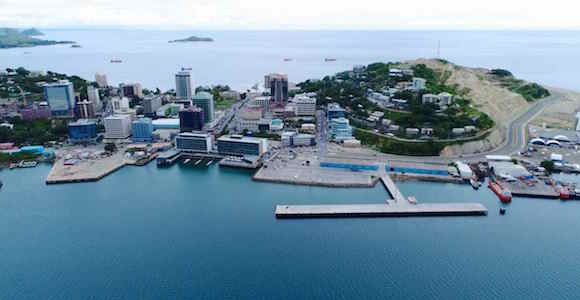
The Papua New Guinea economy is gradually stabilising as it adjusts to the impact of the PNG LNG project, according to the Bank of PNG’s latest Monetary Policy Statement. Real economic growth is predicted to be 2.8 per cent, the kina has been steady, and the 2016 balance of payments was in surplus. But there are financial stresses, as David James reports.
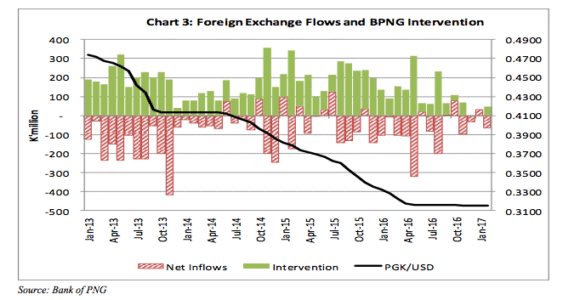
The lack of availability of foreign exchange is creating imbalances within the Papua New Guinea financial system, according to a report by Kina Securities. It says there is a build up of liquidity in kina, which may have implications for the financial strategies of domestic companies.
The Prime Minister Peter O’Neill has outlined a plan of greater government involvement in Papua New Guinea’s industrial development. In a speech to the Australia Papua New Guinea Business Forum & Trade Expo in Port Moresby O’Neill described the need both to broaden the industry base and to move some industries up the value chain.
The economic risks faced by the three main commercial banks in Papua New Guinea are very high, says ratings agency S&P Global Ratings. But Associate Director Andrew Mayes tells Business Advantage PNG, credit risk is ‘well-managed’.
Business Advantage International’s PNG 100 CEO Survey of chief executives in Papua New Guinea’s biggest companies has found that many business leaders fell short of their profit expectations in 2016. But the mood remains cautiously optimistic.
Interest rates are likely to remain at 6.26 per cent for the rest of 2017, and inflationary pressures are expected to moderate, according to the latest economic analysis by Singapore-based BMI Research, a unit of Fitch Group.
Demand for housing in Papua New Guinea is strong but there is a shortage of supply, according to the latest survey by Hausples, a Port Moresby-based real estate technology company.
Concerns have arisen about the foreign ownership test in Papua New Guinea after the Investment Promotion Authority (IPA) published advertisements indicating it will be taking a close look at what is happening. Observers see it as a sign of a tougher stance from the regulator.
The fall in global commodity prices has had a negative impact on Papua New Guinea’s economy. However, as Andrew Wilkins discovers in his annual economic update on PNG, adjustments have been made and 2017 looks likely to be a year of preparation for better times.
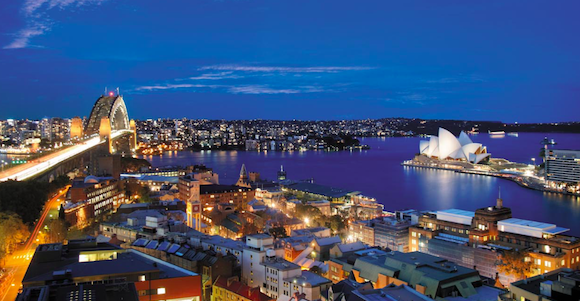
The provisional program for the 2017 Papua New Guinea Investment Conference has been released, highlighting business opportunities across PNG’s economy. The conference will be organised by the publisher of www.businessadvantagepng.com, and will be held at the Shangri-La Hotel in Sydney, Australia, on 7 and 8 September.