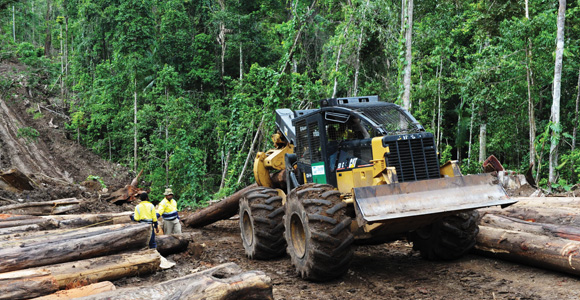
Papua New Guinea’s forestry faces fierce competition and pricing challenges, Chief Executive of the Forest Industries Association, Bob Tate, tells Business Advantage PNG. He says developments in China are troubling for the sector.

Papua New Guinea’s forestry faces fierce competition and pricing challenges, Chief Executive of the Forest Industries Association, Bob Tate, tells Business Advantage PNG. He says developments in China are troubling for the sector.
The Chief Executive of the Papua New Guinea Forest Industries Association, Bob Tate, claims that PNG’s forestry sector is coming under increasing pressure. He points to a drop in demand from China, lower foreign capital investment and moves by the PNG government to lift industry turnover taxes.
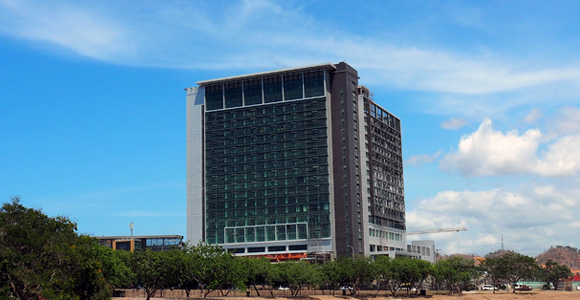
Malaysia’s diversified Rimbunan Hijab Group is a major investor in Papua New Guinea. Managing Director James Lau talks to Business Advantage PNG about the company’s current construction projects, how its retail, agribusiness and forestry subsidiaries are performing, and the economic outlook for 2016.
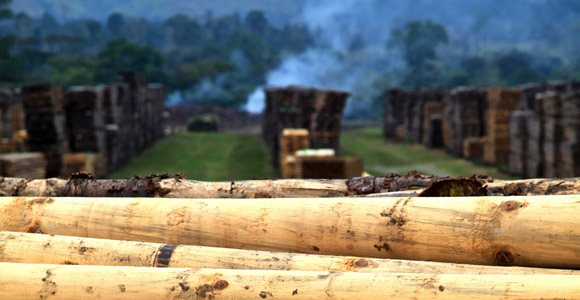
Sustainability and value-adding are repeatedly stated as the goals for Papua New Guinea’s forestry sector. Ian Neubauer visits Bulolo in Morobe Province, an old gold-mining town that has re-invented itself with a sustainable timber industry.

It’s critical for the future of Papua New Guinea’s forestry and manufacturing sectors that the Government’s planned 40,000 ‘affordable houses’ be built in PNG by local suppliers, industry leaders tell Business Advantage PNG.
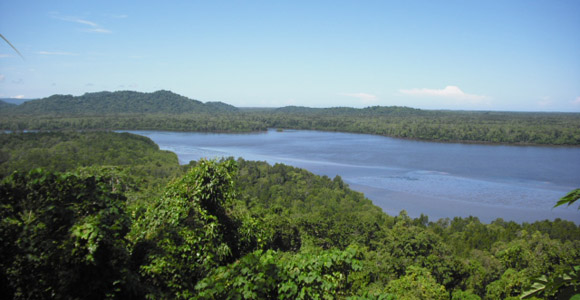
After a two-year investigation into the controversial Special Agricultural Business Leases (SABL) system, reports presented by two of the commissioners have found that only four of the 42 leases they examined had obtained landowner consent.

Commercial banks in the Solomon Islands have closed down several logging company bank accounts, in a move that will make it almost impossible for those companies to receive export proceeds.
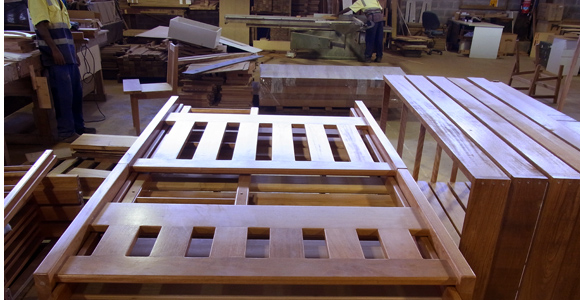
Cloudy Bay Sustainable Forestry Ltd has achieved another milestone in its drive for sustainable development with the certification by the Forest Stewardship Council (FSC) for responsible forestry management.
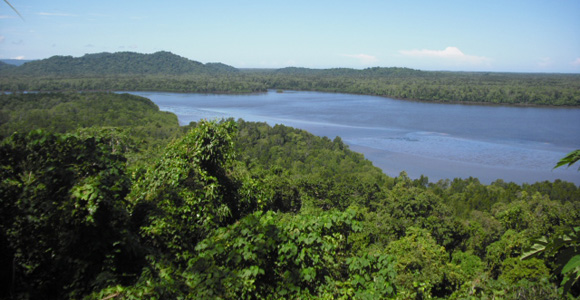
Just over one third of Papua New Guinea’s logging exports in 2012 came from Special Agricultural and Business Leases, the majority of which may not have received approval from customary landowners, according to analysis by Paul Barker, Director of the Institute of National Affairs.

From this month, the European Union (EU) won’t be accepting illegally produced wood products. What impact will its decision have on PNG’s forestry sector?