‘It’s a precursor to what’s about to happen’: KPMG’s PNG head on the build-up to the next resources boom
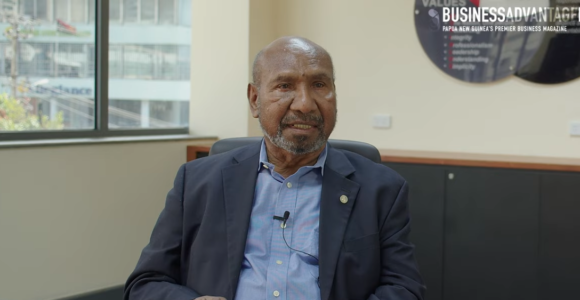
Pieter Steyn has been with KPMG Papua New Guinea since 2018 and became the firm’s Country Managing Partner in July 2025. In this interview with Business Advantage PNG, he shares the signals he is seeing ahead of Papua LNG, growing business opportunities outside of Port Moresby, and why firms are beginning to take ESG seriously.

Pieter Steyn, Country Managing Partner, KPMG PNG. Credit KPMG
Q
How would you characterise business sentiment in PNG right now, and what opportunities are you observing?
A
There’s a bit of mixed sentiment at the moment. A lot of the senior business leaders I talk to are getting quite anxious for things to happen – there’s some anxiety about delays to the larger [resources] projects and the uncertainty around when they might kick off. But overall, people are still very excited and waiting for the next resources boom to get underway.
Once it [Papua LNG] happens, everybody knows from the first one [PNG LNG] that it will have a significant impact on the economy.
A lot of organisations are now starting to mobilise and get ready. We’ve seen a real increase over the last eight to 12 months in organisations reaching out and asking us to help them set up businesses in PNG. I think that’s really positive – it’s a precursor to what’s about to happen.
“We’ve seen a significant increase in activity and in thinking around ESG.”
Q
You mentioned the last boom that happened during the PNG LNG construction period from 2010 to 2014. How ready is the country for Papua LNG?
A
That is an incredibly good question, because there are a number of areas that still need improvement for a project of that significance. Talent and recruitment always remain a challenge. So does the visa application process and immigration turnaround times, accommodation and cost of living – which has changed quite significantly – and are all things that are different to what they were during the first project.
But that doesn’t mean PNG is not adaptable and flexible. We’ve seen over many years how quickly the country can adapt and adjust to make things work for the benefit of its people.
Q
To a different subject, what opportunities are you seeing for business outside of Port Moresby?
A
We have a number of clients that work outside of Port Moresby – and Lae and Morobe Province in particular has been an area where we’ve been expanding our services. Over the last couple of months, we’ve worked closely with the provincial government there on a number of initiatives, including digitalisation projects.
They [Morobe Province] are planning to be leaders in provincial government digitalisation, using AI and new technology in their planning. We’ve seen a lot of activity from them and we’re hopeful they’ll be the first ones off the mark, with other provinces following.
We’ve also seen quite a bit of activity in the Highlands. The PNG Connect project and the upgrading of the Highlands Highway will certainly drive change and hopefully ease transport – which should help organisations lift their productivity.
Q
Lastly, how is PNG tracking on environmental, social and governance [ESG] compliance? And what should businesses be doing now to prepare?
A
The space has been really slow to start in PNG, but over the last 12 months we’ve seen a significant increase in activity and in thinking around ESG, driven by requests from stakeholders who are now asking organisations what their ESG credentials are. It’s no longer only large private corporates. We’re seeing a number of state-owned entities asking for assistance in building their ESG credentials, which is a really positive thing.
Environmental, social and governance – or broader sustainability – is so important to organisations. What we still need to work through is the legislative framework for PNG – I’m aware that other countries in the South Pacific have already embarked on that journey. New international sustainability reporting standards are due to come into effect from 2027 and 2028 onwards, but we’re not yet sure what PNG’s regulators are thinking around adoption and implementation – and when exactly these standards will become effective.
Some of the larger organisations have already started to prepare, which is really important – because once these standards are effective [in PNG], if you’re not prepared, you’ll be caught off guard.