Three years ago, ‘Airport Economist’ Tim Harcourt came to Papua New Guinea to see how it was coping after the global financial crisis. In this excerpt from his forthcoming book, Trading Places – The Airport Economist’s Guide to International Business, he reflects on what he found.
Digicel (Parent company and all subsidiaries)
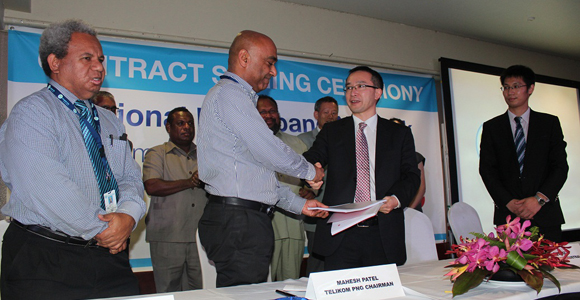
Telikom PNG is upgrading and expanding its network, after earlier this month signing a K600 million (US$200 million) deal with Chinese technology provider Huawei. Chairman Mahesh Patel outlines where the money will be spent and commits the state-owned telco to improving its customer service.
From a Papua New Guinea perspective, the most striking thing about attending Australia’s major annual media and marketing conference last week was the irrelevance of so much of the content, writes Robert Hamilton-Jones.
Papua New Guinea’s largest bank, BSP, has joined PNG’s growing mobile wallet market, with the launch last week of Wantok Moni.
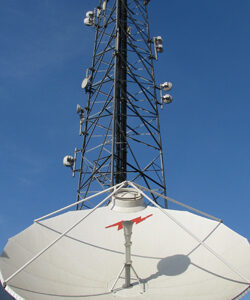
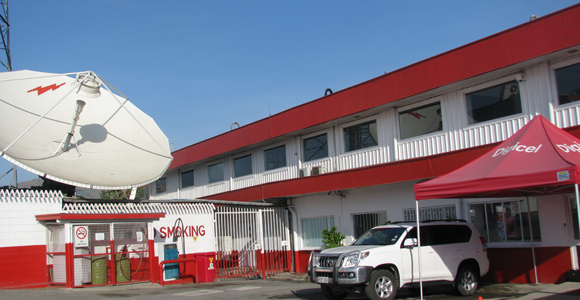
Late last month, Hong Kong-based satellite communications company Speedcast bought Australian satellite company Pactel International, and in a little-publicised deal, Digicel PNG purchased the country’s home-grown satellite company, Remington Communications, from the larger Remington group.
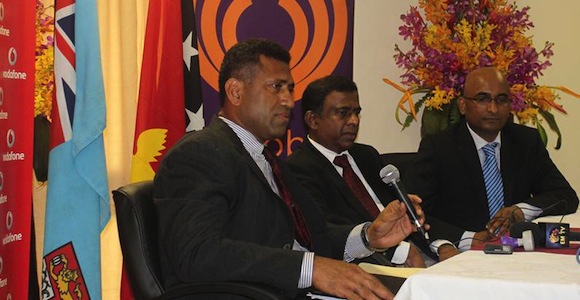
Mobile phone competition in Papua New Guinea and Solomon Islands is about to get tougher, after a deal which will see about US$250m (K550 million) in new funding for PNG’s second carrier, BeMobile, which will see it relaunched as Vodafone BeMobile.
With 3G and wireless broadband data services increasingly more commonplace in Papua New Guinea and the region, smartphones are gaining a hold in the market.
BSP, PNG’s largest bank, is being recognised globally as a major innovator with mobile technology. In our exclusive interview, Group CEO Ian B Clyne reflects on a momentous year for the bank and its plans for future growth.
Hopes are high in Papua New Guinea’s telecommunications industry that internet services are finally about to become more accessible and more affordable.
Information and communications technology has received a much-needed shake-up in Papua New Guinea.