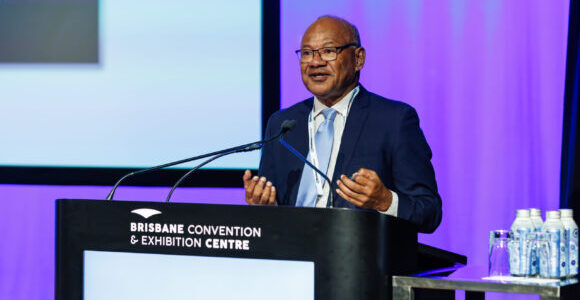
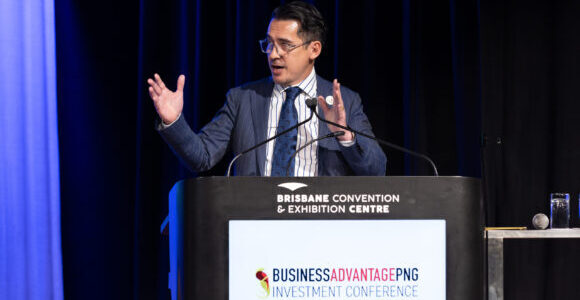
With improved export receipts and the prospect of major resources projects starting in 2026, Papua New Guinea’s economy is set for a sustained period of growth. Andrew Wilkins speaks with business leaders in the country about their expectations for the year ahead.
International Monetary Fund (IMF)
Final investment decisions on gas projects, a weaker kina and Starlink? Business Advantage PNG looks to the year ahead and considers what PNG-focused businesses can expect in the coming 12 months.
Foreign exchange shortages have been the biggest impediment to business in Papua New Guinea for more than a decade. But the situation has improved dramatically in 2025, and businesses are reaping the benefits, as leading CEOs share with Business Advantage PNG.
On the eve of his departure from Papua New Guinea, the International Monetary Fund’s Resident Representative to the country, Sohrab Rafiq, reviews the impact of the IMF’s program in PNG with Andrew Wilkins.
At this stage, it appears that Papua New Guinea will likely be greylisted by the Financial Action Task Force in early 2026. Zanie Theron, Partner-in-Charge of KPMG’s South Pacific practice, shares what PNG has done so far on greylisting, and the steps the country still must take to address this very serious risk.
Business leaders are not quite ready to call it, but there are promising signs as Papua New Guinea celebrates its 50th anniversary of independence. Business Advantage PNG spoke with the country’s top CEOs to learn more about current business conditions.
The Bank of Papua New Guinea and the International Monetary Fund believe continued depreciation of the kina is the way to alleviate the country’s ongoing foreign exchange shortages. ANZ economists Kishti Sen and Tom Kenny argue there are better alternatives.
Forex shortages in PNG have acted as handbrake on both economic growth and foreign direct investment over the past decade, according to the IMF. However, domestic and concessional investors have been stepping in to keep PNG’s economy moving.
David Toua, Chairman of the Bank of Papua New Guinea, details how the central bank is tackling the economy’s most pressing issues, including foreign exchange, government debt, and the digital future of banking.
This year’s PNG Investment conference saw top speakers from across the business sector and government come together, including Prime Minister James Marape, Kumul Petroleum Holdings MD Wapu Sonk, Air Niugini CEO Gary Seddon, PNG Ports Corporation CEO Neil Papenfus, Bank of PNG Chairman David Toua, and country head of the IMF Sohrab Rafiq.