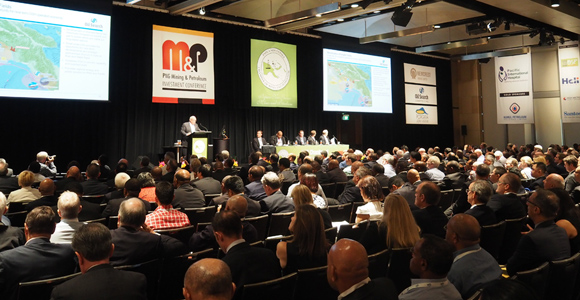
Sovereign wealth funds, private equity and ‘mega-families’ are showing a growing interest in investing in large resource projects, according to Graham Smith, Global Leader Mining M&A at KPMG Corporate Finance in Australia. The PNG Mining and Petroleum Investment conference was told that investment, debt and equity markets are showing signs of improvement.
Copper and cocoa prices have eased sharply over the last month, while palm oil prices have surged. Gas and oil prices are largely unchanged and precious metals prices have eased. Business Advantage PNG’s monthly overview of commodity and financial markets.
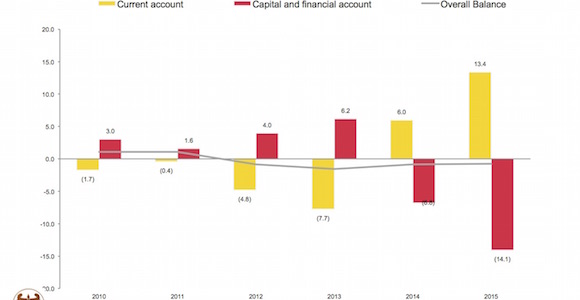
Papua New Guinea has an improving current account, says Cameron Bagrie, New Zealand Chief Economist for the ANZ Bank. But he says if the financial imbalances are to be dealt with effectively, there needs to be a plan for fiscal consolidation and attention to small details at the microeconomic level.
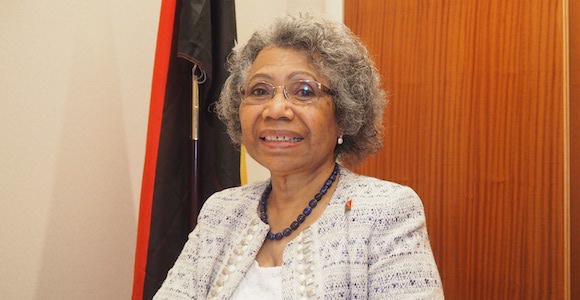
Papua New Guinea’s High Commissioner to the UK, Winnie Kiap, tells Business Advantage PNG that the coffee craze in the UK offers huge potential for PNG growers and producers, especially after two successful trade delegations have boosted awareness.
Papua New Guinea has risen 14 places overall in the World Bank’s annual report on ‘Ease of Doing Business’, primarily in the areas of starting a business and getting credit.
The 2017 Federal Budget announces complex changes in company taxation arrangements. Spending on infrastructure, health and education will be cut, and there are signs that funding government debt may prove increasingly challenging.
Man-made constraints to business are the real obstacles to business development, according to Dr Charles Yala, the Director of the National Research Institute. In an address to the Australia-PNG Alumni Conference, Dr Yala said the country’s leaders need to ‘think outside the box’ and harness ‘our natural beauty and landscape’.
Loi Bakani, Governor of the Bank of Papua New Guinea has presented his Economic Outlook. It contains a few surprises.
Oil prices remain strong, but gas prices continue to move sideways. Silver continues to surge and gold prices are strong over the year. Business Advantage PNG’s monthly overview of commodity and financial markets.
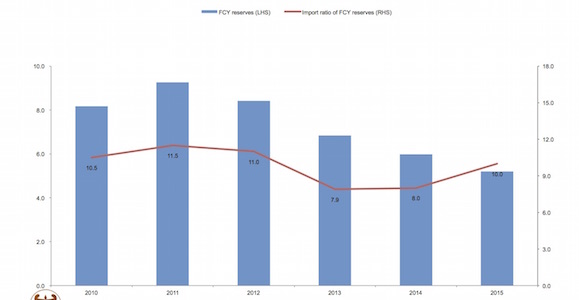
The governor of the Bank of Papua New Guinea, Loi Bakani, says that the shortage of foreign exchange is ‘an issue based on supply and demand of foreign currency for kina.’ One way to increase demand for a nation’s currency is to modernise the bond markets. A World Bank report has looked at some options.