
Papua New Guinea’s Government has an ambitious target of creating 500,000 locally-owned businesses over the next 20 years. The National Development Bank is key to its plans, as Managing Director Moses Liu explains.

Papua New Guinea’s Government has an ambitious target of creating 500,000 locally-owned businesses over the next 20 years. The National Development Bank is key to its plans, as Managing Director Moses Liu explains.

Power outages may become a distant memory, with Papua New Guinea’s power generation capacity set to double in coming years, largely due to increased investment from the private sector.
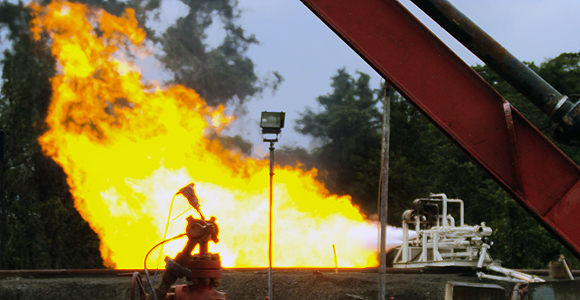
Papua New Guinea’s much-anticipated second gas project could turn out to be an extension of its first, as ExxonMobil commences exclusive negotiations with InterOil and Pacific LNG.

‘A work in progress’ is how Brett Andrew describes his rebuilding of the decades-old Papua New Guinea finance firm, RIFL.
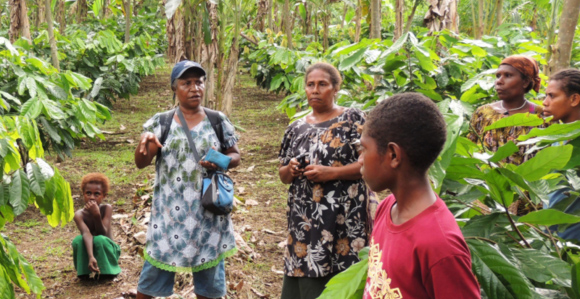
Paul Barker argues for a far greater emphasis on Papua New Guinea’s largest most widespread economic activity—agriculture.
The new President of Papua New Guinea’s Chamber of Mines and Petroleum is concerned about the impact of falling commodity prices. Smaller profits may see some of PNG’s resources projects put on the backburner, he warns Business Advantage PNG.

Law and order is back on the agenda, with this week’s National Haus Krai on violence against women, Australia reactivating its assistance to the PNG’s police and the Government committing itself to heavier punishments for some key offences. But solving PNG’s law and order problems will require much more, says Alan McLay.

After five years as ‘boss bilong BSP’, Ian B Clyne completes his five-year appointment as the CEO of PNG’s largest bank at the end of this month. Business Advantage PNG caught up with him for one final chat.

The global media revolution has arrived in Papua New Guinea, with local television company EMTV transforming from a traditional broadcaster into one in step with the digital age.

This month, global gold, copper and silver prices hit lows not seen for over two years, causing commentators around the world to suggest that the global mining boom, driven largely by demand from China, is over. How could this effect Papua New Guinea?