Papua New Guinea’s agriculture export income in 2015 was less than half 2011 levels, according to data from Bank Papua New Guinea’s latest Quarterly Economic Bulletin. Income from palm oil exports was at its lowest level since 2009, coffee sales were less than half the level of four years ago and income from rubber exports almost halved in a year.
The proposed amendments to Papua New Guinea’s Land Act are a cause for concern, argues the Institute of National Affairs’s Paul Barker. He says, if implemented, the legislation would scare off foreign investors at a time when the Government is looking for capital to encourage economic diversification.
Economic conditions in Papua New Guinea may be challenging but Michael Kingston, Chief Executive of diversified manufacturer K K Kingston, tells Business Advantage PNG that the company’s diversified operations give it some strategic options. He also says a weaker exchange rate may also open up opportunities.
During May, forums were run in Port Moresby, Lae, Mt Hagen and Kokopo to solicit public responses to the Papua New Guinea government’s new land bill. The intent of the new bill is to protect the rights of customary landowners, by extinguishing any State leases, mortgages or sub-leases held by non-citizens. But the consequences for PNG industry and the economy could be dire, some observers are saying.
The minimum wage in PNG will rise to K3.50 an hour from 1 July, from the current rate of K3.36.
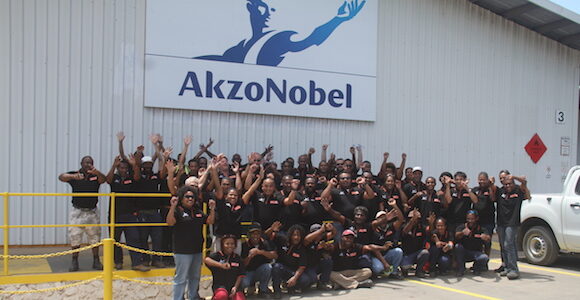
Difficult economic conditions can be a time for committed companies to expand market share and establish themselves for the long term. Mikael Ruben, Managing Director of paint manufacturer AkzoNobel tells Business Advantage PNG his company sees the need to remain aggressive in Papua New Guinea.
Traditionally a producer of beverages, spirits, liquors, juices and coffee, Vitis Industries is now producing its own range of beers. Already two are on the market, with another five about to go on sale.
With Papua New Guinea’s soon-to-be-completed National Transmission Network likely to bring improved internet speeds and reliability by the end of the year more PNG companies are expected to explore the possibility of selling goods and services online. Andrew Wilkins looks at the potential for ecommerce.
Financial institution Moni Plus is preparing to list on the Singapore Stock Exchange. Managing Director David Kelso tells Business Advantage PNG that the company intends to expand its shareholder base and move into new markets.
The search for new business avenues sees Port Moresby’s Collins Shipping teaming up with Chinese maritime researchers to do a voyage to the bottom of the sea. And there’s the prospect of a new adventure tourism activity. Kevin McQuillan reports