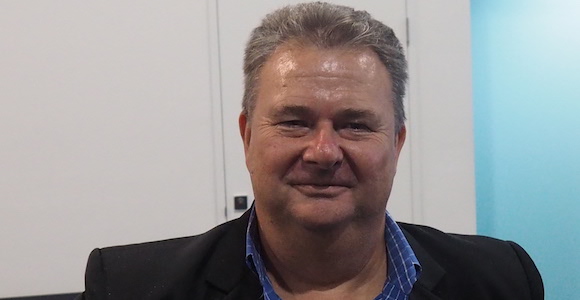
Papua New Guinea agribusiness Mainland Holdings is launching into new agricultural sectors to reduce its reliance on imports. Chief Executive David Alcock told the Australia Papua New Guinea Business Forum that the company intends to grow sorghum and soya beans to use as stockfeed in partnership with local farmers.
Vertical integration is the key to growth in Papua New Guinea, according to Hornibrook NGI Managing Director Matthew Lewis. He tells Business Advantage PNG the steel fabrication and construction company is leveraging its in-house capacity to diversify into property and hospitality.
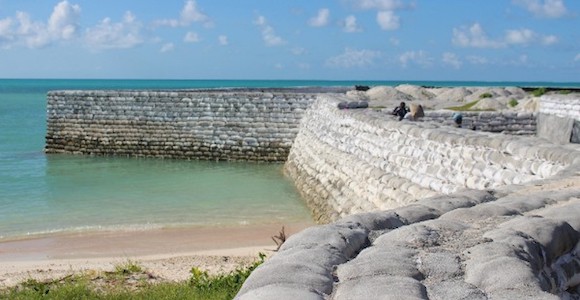
Pacific Islands need to look for Pacific solutions to global warming, according to Meg Taylor DBE, Secretary General of the Pacific Islands Forum Secretariat. The aim should be resilience.
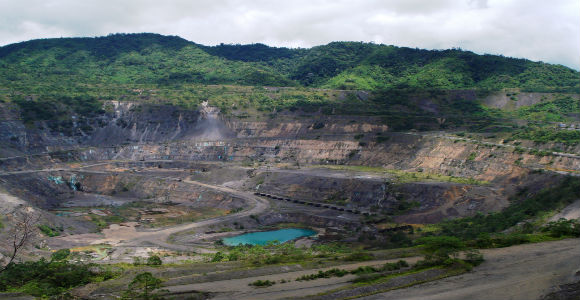
A court hearing this week (17 May) in Port Moresby will help determine if there is a judicial review of the Bougainville government’s decision to refuse the extension of an exploration licence for the Panguna copper mine. Also that day, a federal court hearing will be asked to rule on the release of documents showing the relationship between dissident landowners and a Perth-based company seeking exploration rights to Panguna.
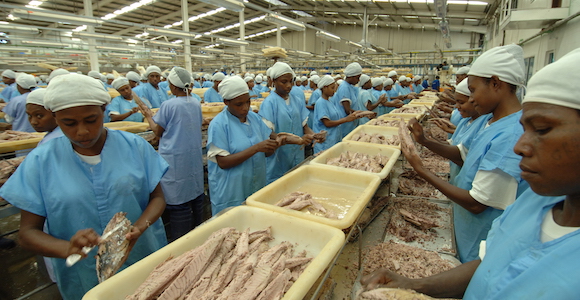
Managing volatility in the price of fish is R D Tuna Canners’ biggest manufacturing challenge, according to General Manager Erwin Ortiz. He tells Business Advantage PNG that the company intends to increase its storage capacity as part of its strategy to deal with price fluctuations.
A proposed timber processing facility near Lae is positioned to fill a niche and play an important role in the forestry industry’s future, according to Tony Bartlett, forestry research program manager at the Australian Centre for International Agricultural Research (ACIAR).
The PNG microfinance industry has the lowest loans-to-deposit ratio in the Pacific, according to Dek Joe Sum at the Australian National University’s Development Policy Centre. He argues the government needs to develop a more comprehensive policy to address the lack of lending.
Retailer and wholesaler TE (PNG) is a diversified and adaptable company, says new Managing Director Robbie Huxley. He tells Business Advantage PNG he decided earlier this year to buy the 60-year-old company because he sees a positive future for PNG
In a move that will reassure Papua New Guinea exporters to the United Kingdom, the UK government has confirmed it will maintain the European Union’s current trading arrangements with PNG after ‘Brexit’. Meanwhile, Prime Minister O’Neill has flagged ‘huge incentives’ for investments in agriculture and tourism, Business Advantage PNG reports from London.
Kina Bank is working with the Australian government and other donors to set up a credit fund for small and medium sized business. CEO Greg Pawson has told business leaders in Port Moresby the scheme is part of the bank’s corporate responsibility.