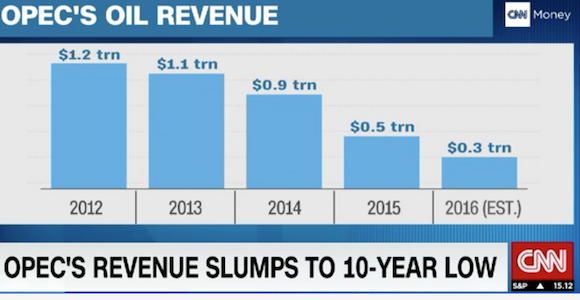
Oil prices and silver are up: a monthly review of Papua New Guinea’s commodity and financial markets
Oil prices are rising and silver is also strengthening. Business Advantage PNG’s monthly review of Papua New Guinea commodity and financial markets.

Oil prices are rising and silver is also strengthening. Business Advantage PNG’s monthly review of Papua New Guinea commodity and financial markets.

Accessing finance to develop land in Papua New Guinea is the biggest stumbling block to creating wealth, jobs and an economic base for future generations. In New Zealand, Maori economic development is forging ahead, with the active support of banks and investors. In the second of a two-part series, Kevin McQuillan examines NZ banks’ lending criteria.

Eminent scientist Professor Tim Flannery will be one of the key speakers at this year’s Business Advantage Papua New Guinea Investment Conference at the Sofitel Brisbane Central on 6 and 7 August this year.

Accessing customary land for development in Papua New Guinea continues to be a challenge, while difficulties remain with securing finance against that land. Meanwhile, in New Zealand, Maori landowners are forging ahead with joint ventures, using leases as security and pooling financial resources. Kevin McQuillan investigates how it’s done, in the first of a two-part series.
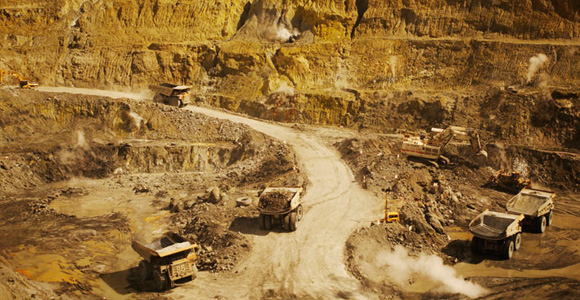
The Extractive Industries Transparency Initiative Report for 2016 has found that improvements are being made to registry and payment systems, but more needs to be done. It notes that budgeting to government revenues remains difficult because of the industry’s volatility and the relatively small number of companies paying full tax.

Stephen Howes, Professor of Economics at ANU’s Crawford School of Public Policy, explains why it is that Pacific economies, unlike other developing economies, are so expensive.
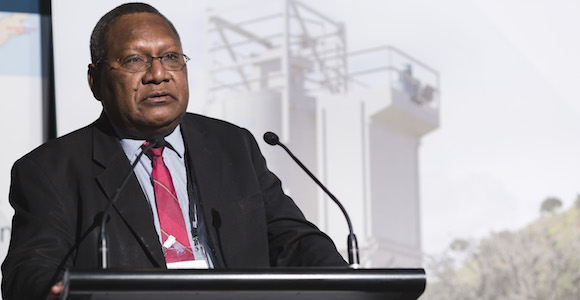
The Governor of the Bank of Papua New Guinea has called for a national plan to make the country self-sufficient in food production, with capacity for export. Loi Bakani outlined his proposal at last month’s National Planning Consultative Summit in Lae.
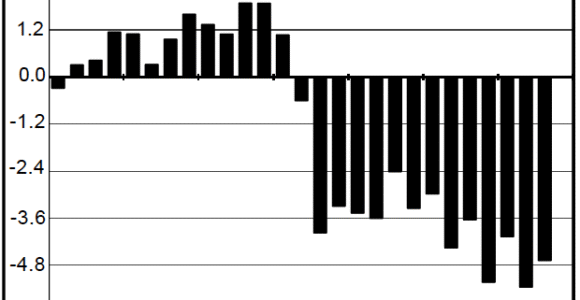
The ratings agency Moody’s has affirmed Papua New Guinea’s B2 rating, but downgraded it from ‘negative from stable’, citing higher government liquidity risks, increased gross borrowing requirements and limited funding sources. It points to a growing reliance on short-term debt.
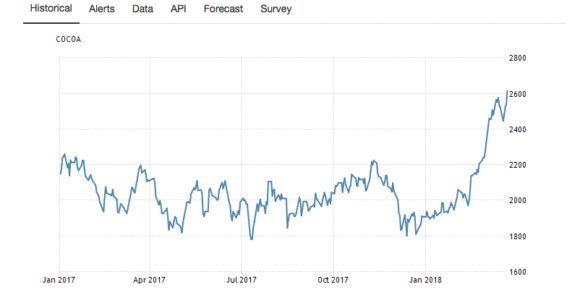
LNG prices have shown continued weakness and the cocoa price has also dropped. Business Advantage PNG’s monthly review of Papua New Guinea commodities and financial markets.

The Mineral Resources Development Company (MRDC) was formed in 1975 and is as old as Papua New Guinea itself. Chief Executive Augustine Mano tells Business Advantage PNG that the enterprise has a wide mandate.